
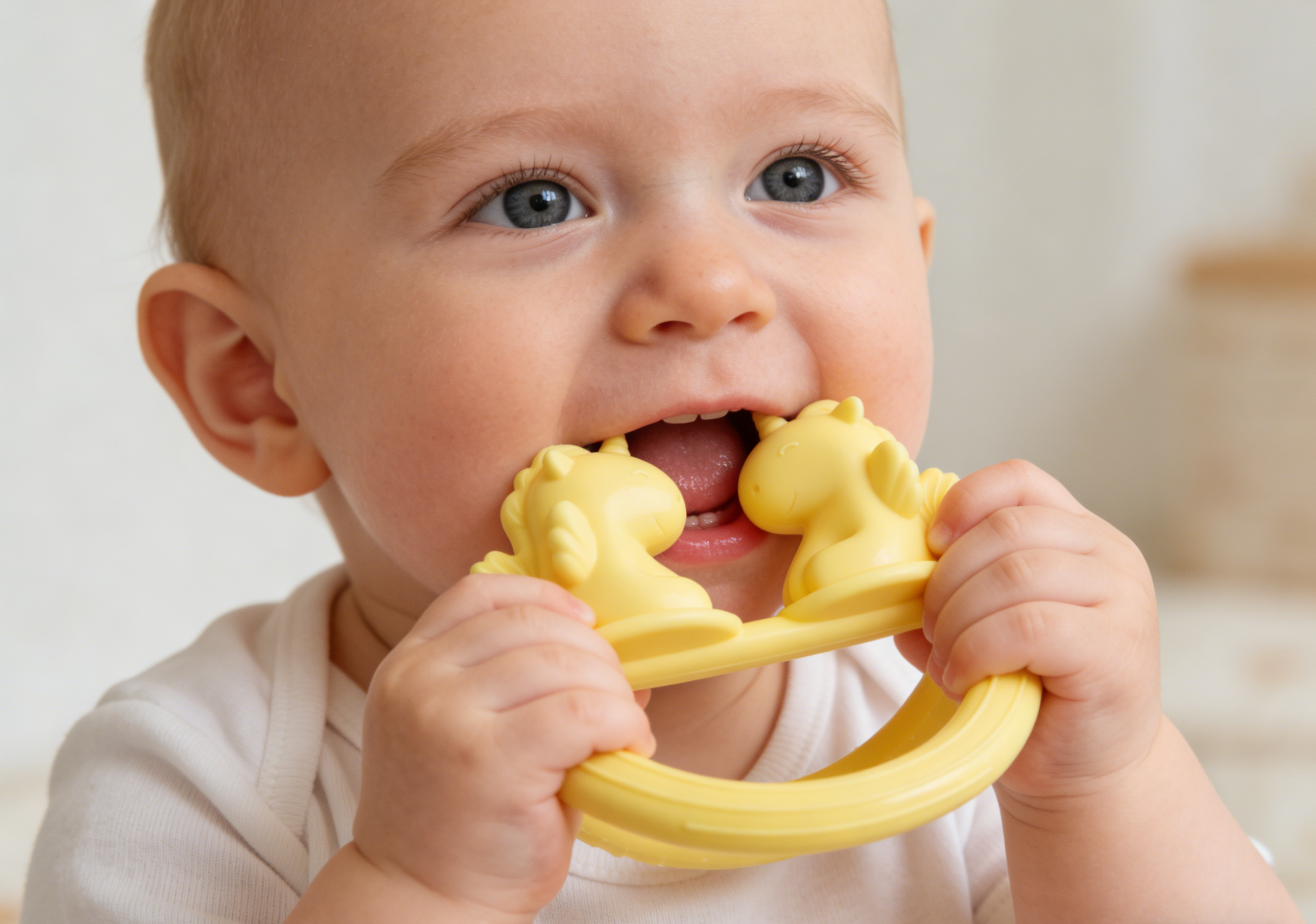
Silicone Teether vs. Wooden Teether:
Silicone vs Wooden Teether: Which is Safer & Better for Sore Gums? | Expert Guide
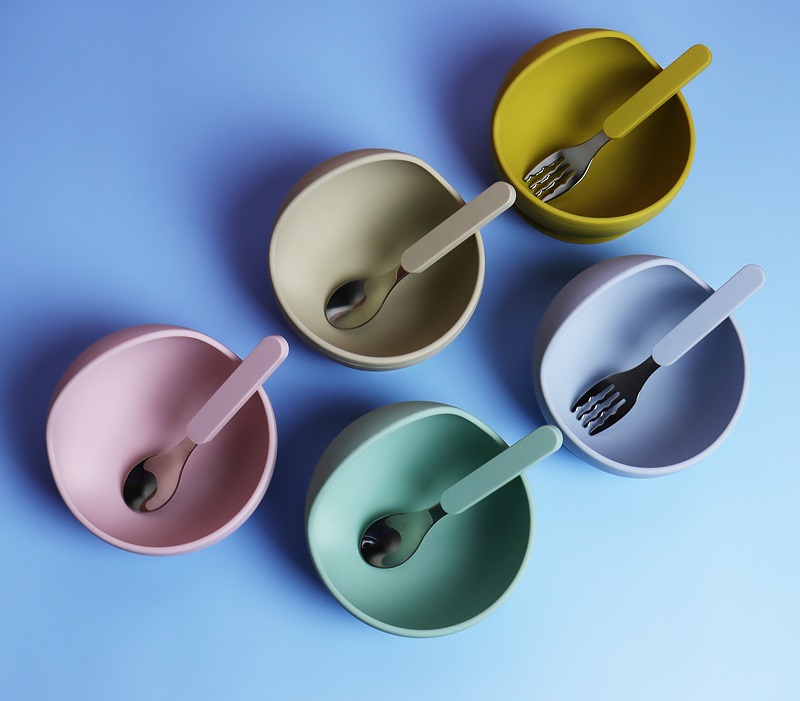
Silicone Baby Feeding Bowl with Spoon and Fork:
Baby feeding products are used every day during a baby’s most sensitive growth stage.
What Requirements Must a Baby Product Manufacturer Meet?
Baby products are used directly by infants, and many of them go into a baby’s mouth.
This means safety, materials, and production standards must be extremely strict.
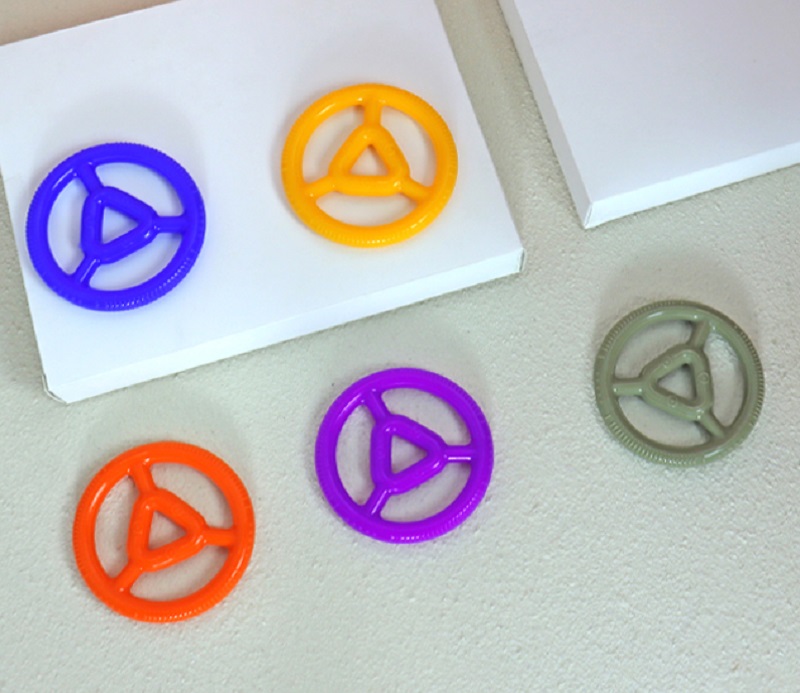
Silicone Baby Teether Manufacturer
Becoming a qualified silicone baby teether manufacturer is not just about making products — it is about protecting babies’ health and safety.
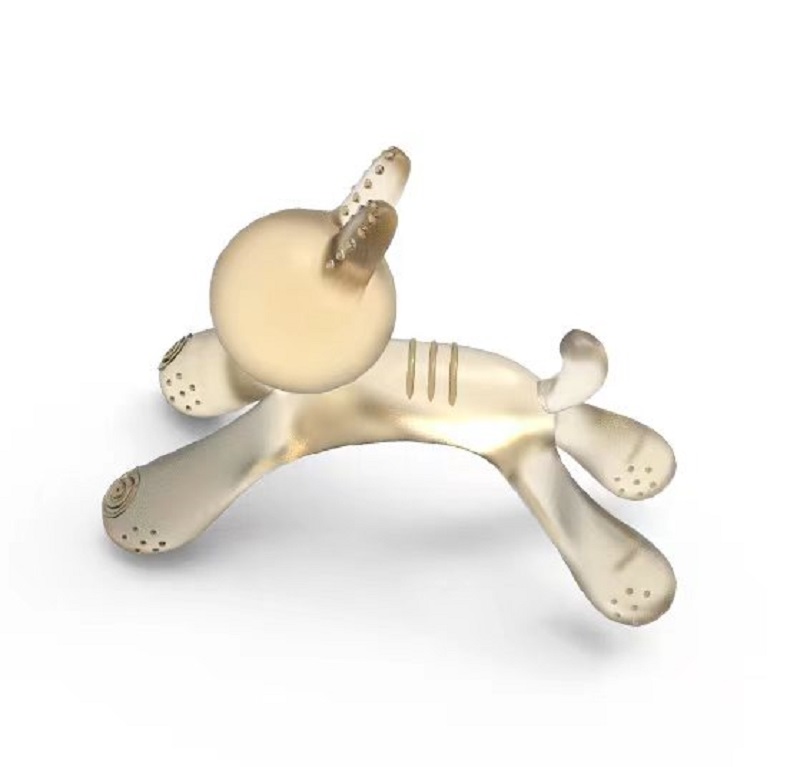
China silicone baby teether manufacturer
A real China silicone baby teether manufacturer must meet strict safety, material,
and certification standards. Baby teethers go directly into a baby’s mouth, so
material quality, production environment, and testing are extremely important.
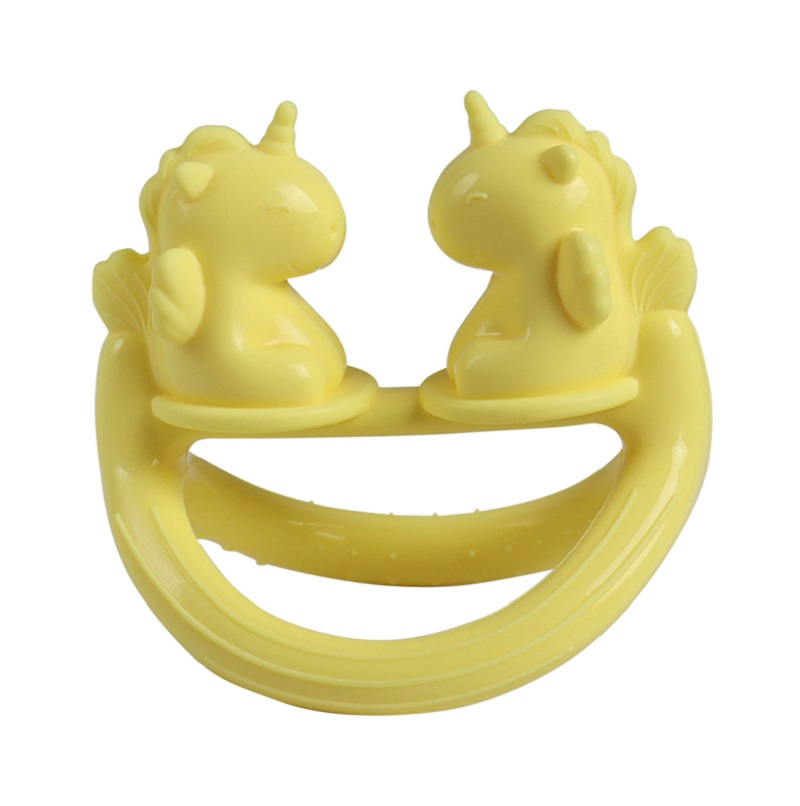
Why Choose Silicone Material for Baby Teethers?
Among all available materials, silicone has become the top choice for baby teethers. In this article, we explain why silicone is the best material for making baby teethers and why more global brands are switching to silicone.
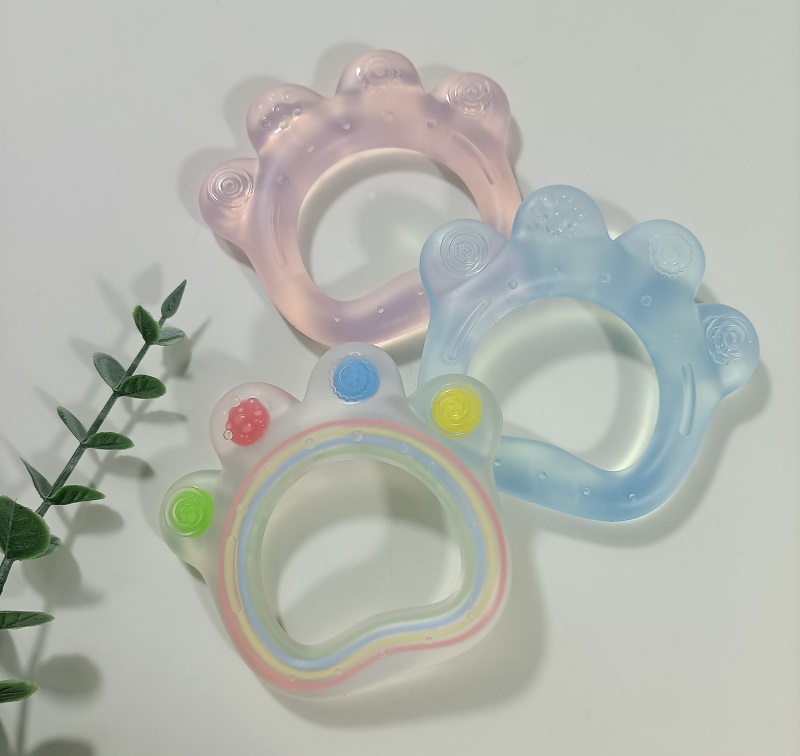
Silicone Teether:
A high-quality silicone teether helps soothe sore gums, encourages sensory development, and gives parents peace of mind. Compared with plastic or rubber, silicone teethers are softer, safer, and easier to clean.
Step-by-Step Silicone Teether Manufacturing Process
Step-by-Step Silicone Teether Manufacturing Process Silicone baby teethers are widely used by infants during the teething stage due to their safety, durability, and soft texture.However, behind every high-quality silicone teether lies a strict and professional manufacturing process. In this article, we will walk you through the step-by-step silicone teether manufacturing process, explaining how food-grade silicone teethers are produced in a modern factory—from raw material selection to final inspection. This guide is especially useful for baby product brands, importers, and OEM/ODM buyers looking for a reliable silicone teether manufacturer. Step 1: Food-Grade Silicone Raw Material Selection The manufacturing process begins with 100% food-grade silicone raw materials. High-quality silicone teethers are typically made from: At this stage, raw materials are carefully tested for: Only qualified silicone materials are approved for baby teether production. Step 2: Silicone Mixing & Color Matching After raw material inspection, the silicone is mixed with: Color matching is a critical step, especially for baby products.Professional manufacturers use precise color formulas to ensure: All pigments used are certified safe for infant use. Step 3: Mold Design & Silicone Molding Once the silicone compound is ready, it moves to the molding stage. Common molding methods for silicone baby teethers include: Custom molds are designed based on: Precision molds ensure smooth edges, accurate dimensions, and consistent product quality. Step 4: Vulcanization & Curing Process During molding, silicone undergoes high-temperature vulcanization. This process: Proper curing is essential to prevent: Only fully cured silicone teethers proceed to the next step. Step 5: Trimming & Surface Finishing After molding, excess silicone material (flash) is removed. Finishing processes include: This step ensures that: Step 6: Quality Inspection & Safety Testing Every silicone baby teether must pass strict quality control before packaging. Common inspections include: Additionally, samples are tested according to: Only products that meet all
ISO 9001 in Silicone Baby Product Manufacturing
How Quality Management Impacts Safety, Consistency, and Global Compliance When manufacturing silicone baby products such as feeding sets, teethers, pacifiers, and suction bowls, product safety and consistency are non-negotiable.ISO 9001 plays a critical role in ensuring that silicone baby products are produced under a controlled, repeatable, and continuously improved quality system. This article explains what ISO 9001 means in silicone baby product manufacturing, why it matters to global B2B buyers, and how certified factories operate differently. What Is ISO 9001? ISO 9001 is an internationally recognized Quality Management System (QMS) standard published by the International Organization for Standardization (ISO). It focuses on: Process consistency Risk prevention Documentation control Continuous improvement (PDCA cycle) Customer satisfaction For silicone baby product manufacturers, ISO 9001 ensures that every step — from raw material sourcing to final shipment — follows standardized and traceable procedures. Why ISO 9001 Matters for Silicone Baby Products Silicone baby products are direct-contact items used by infants, which means even small quality deviations can lead to serious risks. ISO 9001 helps manufacturers: Reduce batch-to-batch variation Prevent process-related defects Control human and operational errors Improve long-term production stability For B2B buyers, ISO 9001 is a baseline requirement when selecting OEM / ODM silicone baby product suppliers. How ISO 9001 Is Applied in Silicone Baby Product Manufacturing 1. Raw Material Control ISO 9001 requires strict supplier evaluation and incoming inspection procedures. In silicone baby product manufacturing, this includes: Approved raw material suppliers Food-grade silicone traceability Incoming Quality Control (IQC) records Verification against FDA, LFGB, or EN71 requirements This ensures only compliant materials enter production. 2. Standardized Production Processes ISO 9001-certified factories define and document: Mixing and molding parameters Injection, compression, or LSR molding standards Trimming, assembly, and post-curing procedures Each step follows Standard Operating Procedures (SOPs), ensuring that baby products remain consistent across