Table of Contents
Are Silicone Teethers Safe for Babies? What Parents Should Know
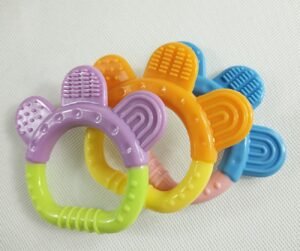
When babies begin teething, chewing becomes a natural part of their daily routine. Parents often look for a teether that can provide comfort while being easy to clean, durable, and suitable for frequent use.
One common question is:
Are silicone teethers safe for babies?
The short answer is that properly manufactured silicone teethers can be a suitable choice for babies when they are made from appropriate materials, meet applicable safety requirements, and are used according to the manufacturer’s instructions.
However, the word “silicone” alone does not guarantee that every teether is safe.
Material quality, product design, manufacturing controls, testing, and proper use all matter.
In this guide, we’ll explain what parents should know about silicone baby teethers, how to evaluate their safety, and what to look for when choosing one.
Quick Answer: Are Silicone Teethers Safe for Babies?
Yes, a baby teether made from appropriate food-contact-grade or otherwise suitable silicone can be safe for its intended use when it is properly designed, manufactured, tested, and used according to instructions.
Parents should look beyond the word “silicone” and check:
What type of silicone is used
Whether the material is suitable for the intended application
Applicable product safety testing and documentation
Whether the teether has small detachable parts
Whether the product is easy to clean
Whether the manufacturer provides clear age and usage instructions
Whether the product shows signs of damage or wear
For baby products, material + design + manufacturing + testing + correct use should be considered together.
Why Is Silicone Commonly Used for Baby Teethers?
Silicone has become a popular material for baby products because it combines flexibility, durability, and resistance to heat.
For teething products, these properties are particularly useful.
A well-designed silicone teether can provide a surface that is flexible enough for chewing while maintaining its shape during normal use.
Silicone can also be manufactured into different textures and shapes, allowing product designers to create teethers specifically for small hands and developing gums.
Key Properties of Silicone for Baby Teethers
Depending on the silicone formulation and manufacturing process, silicone can offer several useful characteristics:
Soft and Flexible
Silicone can provide a softer chewing surface than many rigid materials.
This can make it suitable for products intended to be chewed or mouthed by babies.
Durable
Quality silicone can withstand repeated bending and chewing during normal use.
Heat Resistant
Many silicone formulations have good resistance to elevated temperatures, making them suitable for cleaning methods such as hot-water washing or sterilization when the specific product instructions allow it.
Non-Porous Surface
Silicone’s relatively smooth, non-porous surface can make cleaning easier compared with some materials that can develop scratches or surface damage during use.
Easy to Mold
Silicone can be molded into complex shapes and textures.
This is particularly useful for baby teethers because the design can include:
Different surface textures
Rounded edges
Finger grips
Flexible sections
Raised massage points
Is Food-Grade Silicone Safe for Babies?
The term “food-grade silicone” is widely used in baby-product marketing, but parents should understand that it is not by itself a universal safety certification.
The more important question is whether the specific material and finished product comply with the applicable requirements for the intended market and use.
For manufacturers and brands, this means material selection should be supported by appropriate supplier documentation and product testing.
Depending on the destination market and product category, relevant requirements may include regulations or standards concerning:
Chemical composition
Migration or extractable substances
Mechanical and physical safety
Heavy metals
Specific restricted substances
Labeling and age grading
Therefore, a responsible manufacturer should evaluate the finished product, not simply rely on a generic material statement.
What Makes a Silicone Teether Safe?
A safe silicone teether is about much more than the raw material.
There are five important areas parents and brands should consider.
1. Appropriate Silicone Material
The silicone should be selected specifically for the intended application.
For baby products, manufacturers should have clear specifications for:
Silicone grade
Hardness
Colorants
Additives
Processing requirements
Applicable compliance requirements
For OEM and private-label products, brands should also request supporting material and compliance documentation from their manufacturer.
2. Safe Product Design
Even a suitable material can become unsafe if the product is poorly designed.
A baby teether should be evaluated for:
Small detachable components
Sharp edges
Thin sections
Potential breakage points
Overall dimensions
Grip design
Structural integrity
A teether intended for babies should be designed specifically for the age group stated on the packaging.
3. Secure Construction
The product should be able to withstand normal chewing, bending, and handling.
Before use, parents should inspect the teether for:
Tears
Cracks
Broken sections
Loose components
Unexpected deformation
Surface damage
If a product becomes damaged, it should no longer be used.
4. Appropriate Testing
Testing helps verify whether a product meets applicable safety requirements.
Depending on the target market and product category, manufacturers may need to evaluate physical, mechanical, chemical, and other applicable requirements.
For international baby-product brands, this is particularly important because regulatory requirements can differ between markets.
A professional OEM manufacturer should be able to discuss:
Material documentation
Product testing
Factory quality control
Batch consistency
Applicable compliance requirements
5. Correct Use
Even a well-designed teether needs to be used correctly.
Parents should:
Follow the manufacturer’s age recommendation
Inspect the product before use
Clean it regularly
Never use a damaged teether
Supervise babies while they use teething products
Product safety is a combination of good manufacturing and responsible use.
Are Silicone Teethers BPA-Free?
Many silicone baby teethers are marketed as BPA-free.
However, parents should understand that BPA is primarily associated with certain plastics and resins, and simply stating “BPA-free” does not tell the complete safety story of a silicone product.
Other factors matter too, including:
Silicone formulation
Pigments and colorants
Additives
Manufacturing controls
Finished-product testing
For this reason, a good baby-product manufacturer should avoid relying on a single marketing claim as proof of overall product safety.
Can Babies Chew Silicone Teethers Every Day?
Silicone teethers are designed for repeated use when the product is manufactured for that purpose and remains in good condition.
However, repeated use means parents should establish a simple inspection and cleaning routine.
Before each use, check whether the teether has:
Cracks
Tears
Loose pieces
Significant discoloration
Sticky or unusual surfaces
Regular cleaning is also important because teethers frequently come into contact with saliva, hands, floors, and other surfaces.
For detailed cleaning instructions, see:
How to Clean and Sterilize Baby Teethers Safely
Can Silicone Teethers Be Sterilized?
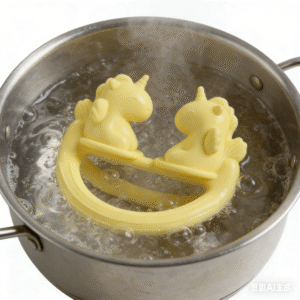
Many silicone teethers can tolerate common cleaning methods, including hot water or steam, but the correct method depends on the specific product.
Always follow the manufacturer’s care instructions.
Possible cleaning methods may include:
Warm water and mild soap
Dishwasher cleaning when approved
Steam sterilization when approved
Boiling when specifically permitted
Do not assume that every silicone product can be boiled simply because it is made from silicone.
The finished product, construction, pigments, and any additional components should all be considered.
Are Silicone Teethers Better Than Plastic Teethers?
This question does not have a universal answer because safety depends on the specific product and material formulation, not simply whether something is silicone or plastic.
However, silicone offers several characteristics that can be useful for teething products.
| Feature | Silicone Teether | Plastic Teether |
|---|---|---|
| Flexibility | Generally flexible | Depends on plastic type |
| Surface feel | Soft to moderately firm | Often firmer |
| Heat resistance | Often good | Varies by plastic |
| Complex textures | Easy to mold | Also possible |
| Cleaning | Generally easy | Depends on material/design |
| Durability | Generally resilient | Varies significantly |
| Safety | Depends on material, design and testing | Depends on material, design and testing |
The key takeaway is simple:
Don’t choose a teether based only on the material name. Evaluate the complete product.
For a deeper comparison, read:
Silicone vs Plastic Teethers: Which Is Safer for Your Baby?
How Does Silicone Texture Affect Teething Comfort?
Material is only one part of a teether’s performance.
Texture and geometry also matter.
A teether can include different surface patterns to create different chewing sensations.
For example:
Smooth Areas
Smooth surfaces can provide a gentle chewing experience.
Raised Ridges
Ridges can provide additional tactile stimulation when babies bite or rub their gums against the surface.
Rounded Massage Points
Small rounded areas can add localized texture without creating sharp edges.
Grip Features
A thoughtfully shaped handle can make it easier for babies to hold the teether independently.
This is one reason animal-shaped and ergonomic silicone teethers have become popular in modern baby-product design.
What Should Parents Look for When Buying a Silicone Teether?
Instead of focusing on marketing claims alone, consider the following checklist.
Material
Look for clear information about the material and intended use.
Age Recommendation
Choose a product appropriate for your baby’s developmental stage.
Product Design
Check for:
Rounded edges
No unnecessary detachable parts
Appropriate size
Easy grip
Secure construction
Cleaning Instructions
Make sure the cleaning method is clearly stated.
Safety Documentation
For products sold internationally, brands should look for relevant testing and compliance documentation.
Manufacturer Information
A transparent manufacturer should be able to provide information about:
Material specifications
Quality control
Product testing
Manufacturing processes
Are All Silicone Teethers the Same?
No.
This is an important point for both parents and baby-product brands.
Two products can both be described as “silicone teethers” while having very different:
Material specifications
Hardness
Product structures
Pigments
Mold designs
Manufacturing processes
Testing documentation
Quality-control procedures
This is particularly important when sourcing silicone baby teethers for private-label or OEM projects.
A buyer should evaluate the finished product and supplier, rather than relying on the word “silicone” alone.
A Manufacturer’s Perspective: What Matters When Developing a Silicone Teether?
For baby-product brands, teether development begins long before mass production.
A professional OEM process may include:
Product Design Review
The structure should be reviewed for manufacturability and intended use.
Material Selection
The silicone formulation and hardness should be selected according to the product design.
Mold Development
The mold needs to reproduce the intended textures, dimensions, and details consistently.
Prototype Evaluation
Samples allow the brand to evaluate:
Shape
Grip
Texture
Flexibility
Appearance
Overall usability
Production Quality Control
During mass production, manufacturers should monitor key parameters to maintain product consistency.
Compliance Testing
The finished product should be evaluated against applicable requirements for the target market.
This complete process is particularly important for brands developing custom silicone teethers.
Bear Paw Shape Silicone Teether: Combining Design and Function
A well-designed teether can turn a simple chewing product into a more engaging baby accessory.
The Bear Paw Shape Baby Teether is an example of an animal-inspired design that combines visual appeal with functional elements.
Its paw-inspired shape can provide:
A baby-friendly grip
Multiple textured surfaces
Flexible silicone construction
Compact portability
An attractive shape for baby-product collections
For brands interested in private-label baby products, animal-shaped teethers can also provide opportunities for:
Custom colors
Packaging customization
Brand-specific designs
Custom mold development
Read more:
[Why the Bear Paw Shape Baby Teether Is a Parent’s Must-Have]
7 Safety Tips for Using Silicone Baby Teethers
Parents can follow these simple habits to improve everyday safety.
1. Inspect Before Use
Check for cracks, tears, or loose parts.
2. Clean Regularly
Wash the teether according to the manufacturer’s instructions.
3. Follow the Age Recommendation
Use products only for the intended age group.
4. Do Not Modify the Product
Do not cut, drill, attach cords, or make other modifications.
5. Avoid Damaged Products
Replace the teether if it becomes damaged.
6. Store It Properly
Keep clean teethers in a clean, dry location.
7. Supervise Use
Babies should be supervised while using teething products.
When Should You Replace a Silicone Teether?
A silicone teether should be replaced if it develops visible damage.
Look for:
Cuts
Tears
Cracks
Broken sections
Loose components
Significant surface changes
Do not continue using a teether simply because the material itself is durable.
Product condition matters.
Frequently Asked Questions About Silicone Baby Teethers
Are silicone teethers safe for newborns?
Not necessarily. Teethers should only be used according to the product’s stated age recommendation and design specifications.
Many teethers are intended for babies who are beginning the teething stage rather than newborns.
Always check the manufacturer’s instructions.
Is food-grade silicone safe for babies?
Appropriately specified silicone can be suitable for baby products, but “food-grade” alone should not be treated as proof that a finished teether meets every applicable safety requirement.
Material specifications, product design, manufacturing controls, and finished-product testing should all be considered.
Are silicone teethers toxic?
A properly specified and manufactured silicone teether intended for baby use should be evaluated against applicable safety requirements.
Parents should avoid products from unknown sources that lack clear material, safety, or manufacturer information.
Can babies chew silicone teethers every day?
Yes, a teether designed for repeated use can be used regularly when it remains in good condition and is cleaned according to the manufacturer’s instructions.
Can silicone teethers go in boiling water?
Some can, but not automatically all of them.
Always check the manufacturer’s cleaning instructions before boiling or sterilizing a silicone teether.
Can silicone teethers go in the dishwasher?
Some silicone teethers are dishwasher-safe.
Check the product’s care instructions and follow the recommended dishwasher placement and temperature.
Are silicone teethers better than plastic teethers?
Silicone offers useful characteristics such as flexibility, durability, and heat resistance, but the safety of an individual product depends on its material, design, manufacturing quality, testing, and intended use.
What is the safest silicone teether?
There is no single teether that can be called the safest for every baby.
Parents should look for an appropriately designed product made from suitable materials, supported by relevant safety information, and used according to the manufacturer’s instructions.
Final Thoughts: What Parents Really Need to Know About Silicone Teethers
So, are silicone teethers safe for babies?
When properly designed, manufactured, tested, and used as intended, silicone can be a suitable material for baby teethers.
But the material itself is only part of the equation.
The most important factors are:
Suitable material + thoughtful design + reliable manufacturing + appropriate testing + correct use.
For parents, this means choosing products from transparent manufacturers and checking the product’s age recommendation, cleaning instructions, and condition regularly.
For baby-product brands, it means working with an experienced OEM manufacturer that understands silicone material selection, mold development, quality control, and the compliance requirements of the target market.
A well-designed silicone teether should do more than look cute. It should combine functional design, appropriate materials, consistent manufacturing, and responsible safety practices into one dependable baby product.
Related Articles
How to Clean and Sterilize Baby Teethers Safely
Learn practical ways to clean and maintain silicone baby teethers.
Silicone vs Plastic Teethers: Which Is Safer for Your Baby?
Compare the characteristics of silicone and plastic teethers.
Top 10 Signs Your Baby Is Teething (And What to Do About It)
Learn how to recognize common signs of teething and ways to provide comfort.
How to Soothe a Teething Baby Naturally: Safe Solutions Every Parent Should Know
Explore practical approaches for managing teething discomfort.
Why the Bear Paw Shape Baby Teether Is a Parent’s Must-Have
Discover how thoughtful shape and texture design can make a silicone teether more functional.
For Baby Product Brands: Custom Silicone Teether Manufacturing
Looking for a manufacturer for a custom silicone baby teether?
QLINK Silicone provides OEM/ODM manufacturing solutions for silicone baby products, including custom teether development, mold development, color customization, and private-label packaging.
From product concept and DFM review to prototype development and mass production, an experienced silicone manufacturer can help turn a teether concept into a production-ready product.