How to Clean and Sterilize Baby Teethers Safely: A Complete Guide for Parents
Table of Contents
Baby teethers quickly become one of the most-used items during the teething stage.
From soothing sore gums to keeping babies calm during restless moments, teethers are constantly in contact with saliva, hands, floors, and sometimes even outdoor surfaces. Because of this, keeping them clean and properly sterilized is essential for your baby’s health.
Many parents wonder:
- How often should baby teethers be cleaned?
- Is boiling safe for silicone teethers?
- Can baby teethers go in the dishwasher?
In this complete guide, we’ll walk through safe and effective ways to clean and sterilize baby teethers, including step-by-step instructions for different materials.
Why Cleaning Baby Teethers Is So Important
Babies explore the world with their mouths.
That means teethers often come into contact with:
- Drool
- Milk residue
- Dust and dirt
- Household surfaces
- Germs from hands
Without proper cleaning, bacteria can build up quickly.Regular cleaning helps:
- Prevent bacterial growth
- Reduce infection risks
- Maintain product safety
- Extend the life of the teether
Good hygiene habits are one of the simplest ways to protect your baby during the teething phase.
How Often Should You Clean Baby Teethers?
Cleaning frequency depends on how often the teether is used and where it has been.
General recommendations:
Daily Cleaning:
Teethers used regularly should be cleaned at least once per day.
After Dropping:
Clean immediately if the teether:
- Falls on the floor
- Touches dirty surfaces
- Is used outdoors
After Illness:
Sterilize teethers thoroughly if your baby has been sick.
Maintaining consistent cleaning routines significantly reduces bacteria exposure.
Basic Cleaning Method: Warm Water and Mild Soap
For everyday cleaning, this is the easiest and most effective method.
Step-by-Step Instructions
- Rinse the teether under warm running water
- Apply a small amount of mild baby-safe soap
- Gently scrub all surfaces
- Rinse thoroughly
- Allow to air dry completely
This method works well for daily maintenance cleaning.
How to Sterilize Silicone Teethers Safely
Silicone teethers are widely recommended because they tolerate high temperatures without damage.
Sterilization removes deeper bacteria and ensures maximum hygiene.
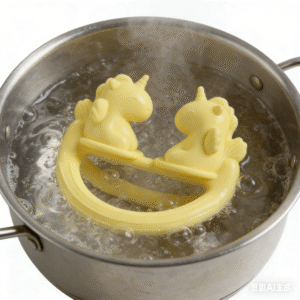
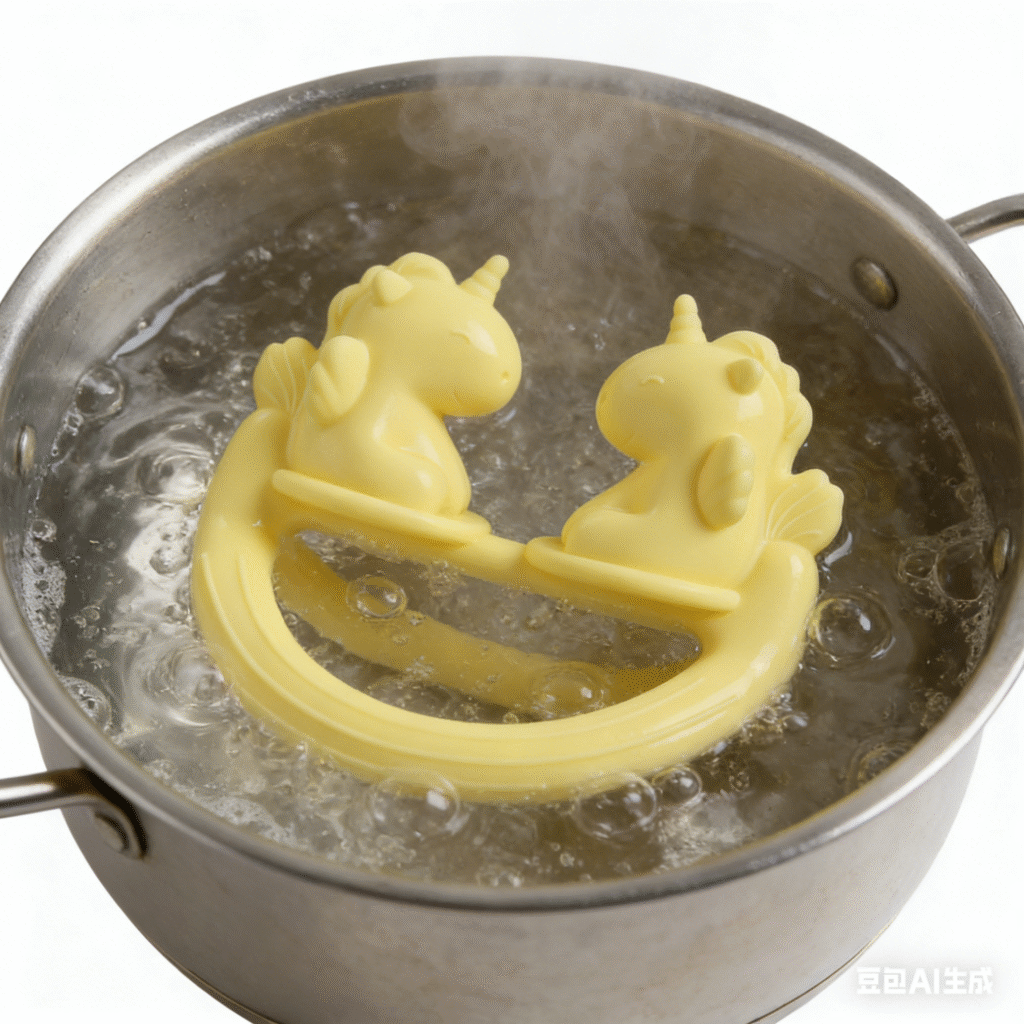
Method 1: Boiling Water Sterilization
Boiling is one of the most effective sterilization methods.
Steps:
- Bring a pot of water to a boil
- Place the silicone teether into the boiling water
- Boil for 3–5 minutes
- Remove using clean tongs
- Allow to cool completely
This method is ideal for deep cleaning.
Method 2: Steam Sterilizer
Many silicone teethers are dishwasher-safe.
Best practices:
- Place on the top rack
- Use gentle cycle
- Avoid harsh detergents
- Ensure full drying after washing
Dishwashers provide convenient daily sanitation.
Can You Sterilize Plastic Teethers?
Some plastic teethers can be sterilized—but not all.
Unlike silicone, certain plastics may:
- Warp under high heat
- Crack over time
- Release chemicals if overheated
Always check manufacturer instructions before sterilizing plastic teethers.
👉 Helpful Guide:
Should You Refrigerate or Freeze Baby Teethers?
Cooling teethers can help soothe sore gums—but it must be done safely.
Refrigeration: Safe and Helpful
Refrigerating teethers:
- Provides cooling relief
- Reduces gum swelling
- Improves comfort
Recommended chilling time: 10–15 minutes
Freezing: Not Recommended
Freezing teethers may:
- Make them too hard
- Damage sensitive gums
- Shorten product lifespan
Refrigeration is the safer alternative.
Signs a Baby Teether Needs Replacement
Even with proper cleaning, teethers don’t last forever.
Replace a teether if you notice:
- Cracks
- Tears
- Sticky residue
- Discoloration
- Loose parts
Damaged teethers can pose safety risks.
Regular inspection is essential.
Tips for Keeping Baby Teethers Hygienic
Simple habits make a big difference.
Helpful tips include:
- Store teethers in clean containers
- Avoid placing them directly on surfaces
- Rotate multiple teethers
- Wash hands before handling
- Clean immediately after outdoor use
These small steps significantly improve hygiene.
Why Silicone Teethers Are Easier to Keep Clean
Silicone teethers offer hygiene advantages over many other materials.
Benefits include:
- Heat-resistant structure
- Non-porous surface
- Easy sterilization
- Long-lasting durability
High-quality silicone teethers—especially well-designed models with smooth surfaces—are particularly easy to maintain.
👉 Related Reading:
Why the Bear Paw Shape Baby Teether Is a Parent’s Must-Have
Frequently Asked Questions (FAQ)
How often should I sterilize baby teethers?
Sterilize at least once a week, or more frequently if dropped on dirty surfaces.
Can silicone teethers be boiled every day?
Yes, but daily boiling is usually unnecessary unless contamination occurs.
Is dishwasher cleaning enough?
Dishwasher cleaning is suitable for routine cleaning, but occasional sterilization is recommended.
Can I use vinegar to clean teethers?
Mild vinegar solutions may help remove odors, but always rinse thoroughly afterward.
Final Thoughts: Clean Teethers Mean Healthier Smiles
Teething is already challenging enough—hygiene shouldn’t add unnecessary worry.
By cleaning and sterilizing baby teethers regularly, parents create a safer environment that supports healthy development and reduces the risk of infection.
With the right cleaning habits—and high-quality materials like food-grade silicone—keeping teethers safe becomes simple and stress-free.
A clean teether isn’t just about hygiene—it’s about protecting your baby’s comfort and well-being every single day.