
Short answer: our standard lead time is 30 days for standard orders and 45 days for full custom work with new tooling, from deposit and final artwork to ex-factory. That number is built from real stage durations: material compounding, molding, post-cure, QC and packing, each with a floor you can’t buy your way below. This article breaks down where the days actually go, what pushes projects past 45 days, and how we keep the schedule visible to clients instead of going quiet for a month.
Lead time is where factory marketing and factory reality drift apart the most. Every supplier says “30 days”. This is what that means when we say it, stage by stage, including the parts that can slip and what we do about them. I’d rather explain the schedule once, honestly, than renegotiate it badly three times.
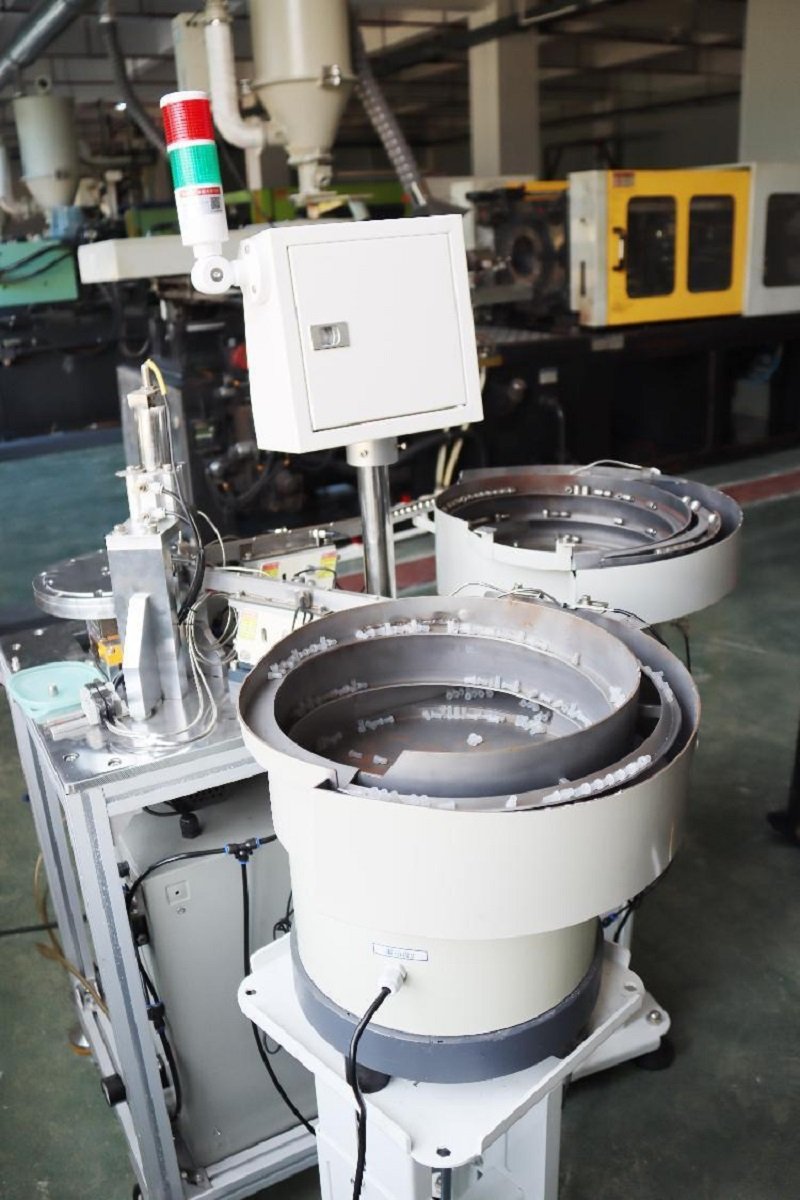
Where the 30 days actually go
A standard order, meaning a catalog product in existing tooling, with color matched to a signed standard, breaks down roughly like this:
| Stage | Typical duration | What can stretch it |
|---|---|---|
| Material compounding and color mixing | 3-5 days | A brand-new Pantone shade needs a fresh matching round |
| Molding | 8-12 days | Order size against machine availability; peak season booking |
| Post-cure | 1-2 days | Fixed by chemistry, not compressible, and we don’t skip it |
| Deflashing, inspection, print/deboss | 5-7 days | Printed graphics add a drying and adhesion-check pass |
| Final QC, packing, booking | 4-5 days | Carton art delays and vessel booking in peak weeks |
Added up with normal overlap, that’s the 30-day figure. Notice what isn’t in there: tooling. A new mold runs 10-15 days on its own for simple parts like bibs and utensils, longer for complex multi-cavity or two-material tools, which is why full custom work carries the 45-day number rather than a discount-tier fantasy version of 30.
What pushes a project past 45 days
Having watched projects slip for years, the causes are boringly consistent. Undrawn details: a client approves a sample, then changes the logo position after tooling starts, which restarts a stage. Unapproved artwork: cartons and inserts sit in email for two weeks while production waits. Color churn: the fourth Pantone revision resets matching and molding scheduling together. And the honest one, peak season: the weeks before Western holidays compress everyone’s capacity, and factories that pretend otherwise book your order into a schedule they can’t keep.
What compresses a schedule legitimately: early artwork sign-off, frozen golden samples, and a buyer who returns packaging approvals in days instead of weeks. The factory side has fixed floors, chemistry and curing don’t speed up, but most real-world delays we see live on the client-approval side, which is fully in your control.

How we keep the schedule visible
Every order gets a written milestone sheet at kickoff: material date, molding start and finish, post-cure, QC window, packing, ex-factory date. We send a photo or short video at each milestone, not because clients ask, but because “no news” is how projects start slipping unnoticed. When a stage moves, the sheet gets revised the same day with the reason on it. Buyers running their own launch calendars can plan around a document instead of chasing an update.
The process stages are mapped in full in our design-to-shipment walkthrough, and the pre-shipment inspection that sits inside the QC window is covered in the golden sample and inspection guide.
Capacity, stated plainly
We run multiple molding lines across bibs, bowls, teethers, utensils and the newer fruit feeder pouch, with automated feeding on the high-volume parts and manual oversight where the product demands it. Rather than quote a machine count that tells you nothing about your order, we answer the useful version of the capacity question: given your product, quantity and date, what slot can we actually commit to? That’s a schedule answer, not a brochure answer, and the project team will give you one with a date on it, in writing.
If you’re comparing factories on this dimension, the questions that separate real schedules from sales talk are in our factory audit checklist: ask for the milestone sheet format, ask what happens to your slot if a stage slips, and ask who tells you when it does.
Frequently asked questions
What is the minimum order quantity and lead time for custom silicone baby products?
OEM custom work starts at 500 pieces with a 45-day lead time including new tooling; catalog designs start at 1,000 pieces at 30 days. Both run from deposit and final artwork to ex-factory.
Can lead time be shorter than 30 days?
For small repeat orders in existing tooling, sometimes by a few days if the schedule has a gap. Chemistry sets the floor on post-cure and QC, so dramatically shorter quotes usually mean skipped stages, not efficiency.
How do you handle peak season capacity?
By booking honestly: orders placed in the pre-holiday crunch get dated slots with the constraint stated upfront, not a yes that becomes an apology later. Early booking with frozen artwork is what actually protects launch dates.