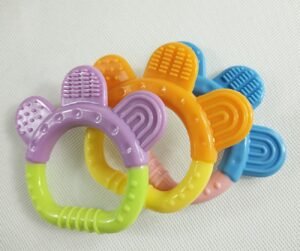
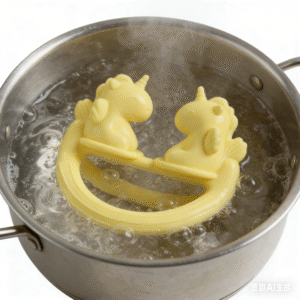
Silicone vs Plastic Teethers: Which Is Safer for Your Baby?
Table of Contents
Choosing the right teether for your baby might seem simple—until you realize how many materials are available on the market.
Walk into any baby store or browse online, and you’ll quickly notice that silicone and plastic teethers dominate the shelves. While both are widely used, not all materials offer the same level of safety, durability, or comfort for teething babies.
For parents, safety is always the top priority. Babies spend hours chewing on teethers, which means the material matters more than many people realize.
In this guide, we’ll break down the differences between silicone vs plastic teethers, examine safety factors, and help you decide which option truly supports your baby’s health and comfort.
Why Teether Material Matters More Than You Think
Teething is a long process. Babies chew frequently—sometimes for hours every day.
This means the teether material:
Comes into constant contact with gums
Is exposed to saliva
Must withstand repeated biting
Needs frequent cleaning and sterilization
Poor material choices can lead to
Cracking or breaking
Bacterial buildup
Exposure to harmful chemicals
Reduced soothing effectiveness
That’s why understanding material differences is so important.
What Are Silicone Teethers?
Silicone teethers are made from food-grade silicone, a soft, flexible material widely used in baby products.
Silicone has become one of the most trusted materials in modern baby care due to its safety and durability.
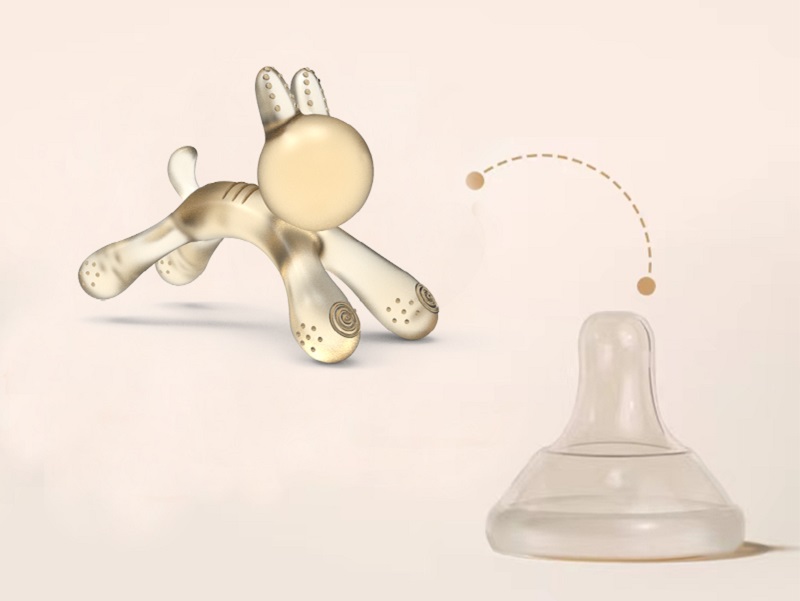
Key Features of Silicone Teethers
Silicone teethers are known for:
Soft and flexible texture
Gentle pressure on gums
High durability
Resistance to cracking
Heat-resistant properties
Non-toxic composition
These features make silicone particularly suitable for sensitive baby gums.
What Are Plastic Teethers?
Plastic teethers are typically made from polypropylene (PP) or similar synthetic materials.
While many modern plastic teethers are labeled BPA-free, plastic materials still vary widely in quality.
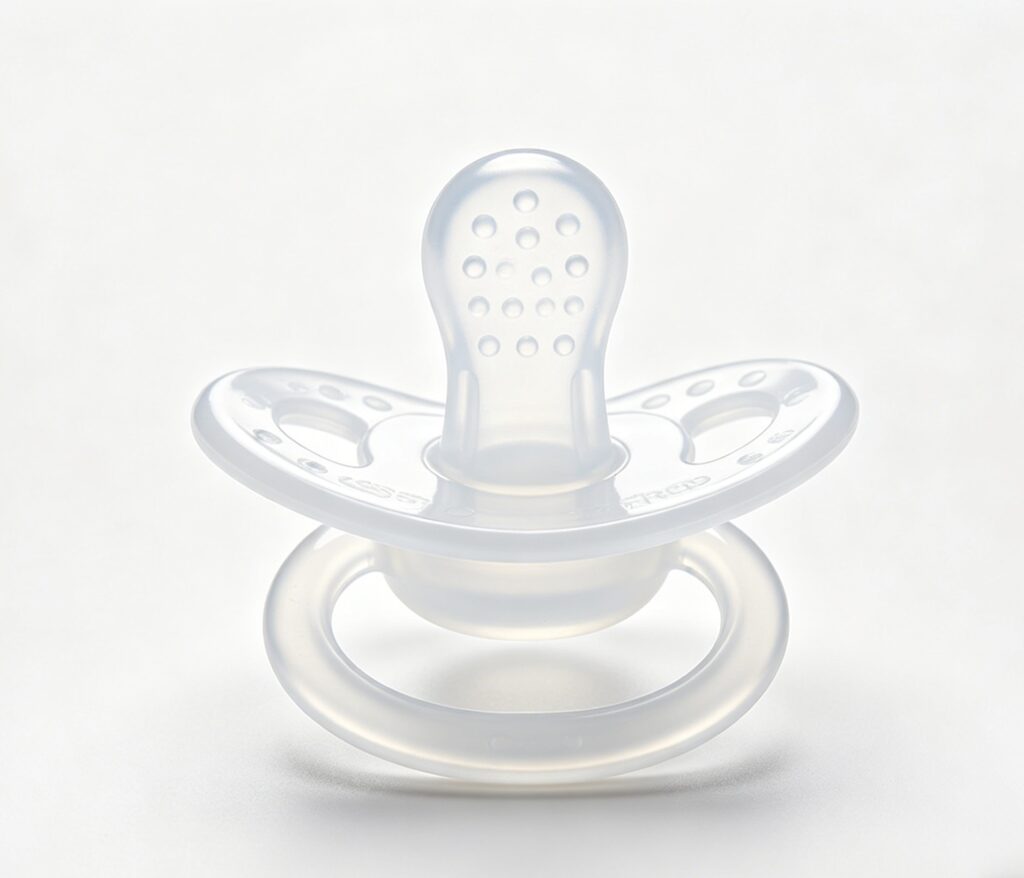
Key Features of Plastic Teethers
Have firmer textures
Are lightweight
Can be inexpensive
Come in colorful designs
May include liquid-filled interiors
However, firmness and material stability can vary significantly between manufacturers.
Silicone vs Plastic Teethers: A Detailed Comparison
Understanding differences side-by-side helps parents make confident decisions.
Safety Comparison
Silicone Teethers
Typically made from food-grade silicone
Free from BPA, PVC, and phthalates
Stable under high temperatures
Less likely to release chemicals
Plastic Teethers
Some are BPA-free, but quality varies
May degrade over time
Lower-quality plastics can contain additives
Potential cracking risks with extended use
Overall, silicone is widely considered the safer long-term option.
Durability Comparison
Babies chew aggressively—especially during peak teething periods.
Silicone
Flexible and resilient
Resistant to tearing
Maintains shape over time
Plastic
Can become brittle
More likely to crack
May break under strong pressure
Durability directly affects both safety and cost over time.
Comfort Comparison
Comfort determines how effectively a teether soothes sore gums.
Silicone
Soft surface
Gentle on inflamed gums
Suitable for prolonged chewing
Plastic
Often harder
May feel uncomfortable
Less adaptable to gum pressure
For babies experiencing intense discomfort, softer materials provide better relief.
Hygiene & Cleaning Comparison
Teethers must be cleaned frequently.
Silicone
Dishwasher safe
Boil-safe
Sterilizer-safe
Non-porous surface
Plastic
May warp under heat
Not always sterilizer safe
Surface scratches may trap bacteria
Silicone’s heat resistance gives it a clear advantage.
Are Plastic Teethers Still Safe?
Modern plastic teethers can still be safe—especially when produced under strict safety standards.
However, parents should carefully check:
BPA-free certification
Safety testing standards
Manufacturer reputation
Product durability
Lower-cost plastic products may not maintain quality over time.
That’s why many pediatric professionals recommend silicone alternatives whenever possible.
Why Silicone Teethers Are Becoming the Preferred Choice
In recent years, silicone teethers have gained popularity worldwide.
This shift is driven by growing awareness around:
Material safety
Chemical exposure
Product longevity
Ease of cleaning
Silicone offers a reliable balance between comfort and durability.
Modern designs—especially textured animal-shaped teethers—also improve grip and stimulation.
For example, thoughtfully designed silicone teethers like bear paw-shaped textured models provide both safety and functional gum relief.
👉 Related Reading:
Why the Bear Paw Shape Baby Teether Is a Parent’s Must-Have
When Should You Replace a Baby Teether?
Regardless of material, teethers should be replaced if they show signs of wear.
Watch for:
Cracks
Tears
Sticky surfaces
Discoloration
Loose parts
Regular inspection ensures continued safety.
Choosing the Best Teether Material for Your Baby
Material Certification
Always look for:
Food-grade silicone
BPA-free labeling
Safety testing compliance
Certifications provide confidence in product safety.
Texture Design
Multi-textured surfaces help:
Massage gums
Improve chewing comfort
Support sensory development
Design matters as much as material.
Ease of Cleaning
Choose teethers that tolerate:
Boiling
Dishwashers
Steam sterilization
Convenience encourages consistent hygiene.
Frequently Asked Questions (FAQ)
1. Is silicone safer than plastic for baby teethers?
Yes, silicone is generally considered safer because it is:
Non-toxic
Heat-resistant
Durable
Less likely to crack
2. Are BPA-free plastic teethers safe?
Many BPA-free plastic teethers are safe, but material quality still varies between brands.
Always choose reputable manufacturers.
3. Can silicone teethers be sterilized?
Yes. Silicone teethers can be sterilized using:
Boiling water
Steam sterilizers
Dishwashers
4. Which material lasts longer?
Silicone typically lasts longer due to its flexibility and resistance to cracking.
Final Thoughts: Making a Safe Choice for Your Baby
Teething is a challenging stage—but choosing the right materials makes a meaningful difference.
While both silicone and plastic teethers are widely available, silicone consistently stands out for its safety, durability, and comfort.
For parents seeking reliable teething relief, investing in high-quality silicone teethers offers long-term peace of mind—and better comfort for babies experiencing sore gums.