How to Soothe a Teething Baby Naturally: Safe Solutions Every Parent Should Know
Teething can turn even the happiest baby into a fussy, sleepless bundle of frustration.
If your baby is drooling excessively, chewing on everything in sight, or waking up more frequently at night, teething may be the cause. While this stage is completely natural, the discomfort babies feel is very real—and finding safe, effective ways to soothe them becomes a top priority for parents.
The good news? There are several natural and safe ways to relieve teething discomfort, many of which pediatricians widely recommend.
In this guide, we’ll walk through proven methods to soothe a teething baby—while also explaining how the right teething tools can make a significant difference.
Understanding Teething: When Does It Start?
Most babies begin teething between 4 and 6 months of age, though the exact timing varies.
Some babies show early signs at 3 months, while others may not get their first tooth until closer to their first birthday.
Common teething symptoms include:
Drooling more than usual
Swollen or tender gums
Irritability and fussiness
Trouble sleeping
Chewing on hands or objects
Slight temperature increase (not fever)
Understanding these signs helps parents respond early and provide comfort before symptoms worsen.
Why Natural Teething Relief Matters
Parents today are increasingly cautious about what they give their babies—and for good reason.
Some traditional teething remedies once used decades ago are now considered unsafe or outdated.
Safe teething relief methods should:
Avoid harmful chemicals
Be gentle on sensitive gums
Encourage natural soothing
Support healthy oral development
Choosing natural solutions reduces unnecessary risks while keeping your baby comfortable.
7 Natural Ways to Soothe a Teething Baby
Here are some of the most effective and pediatrician-approved natural teething solutions.
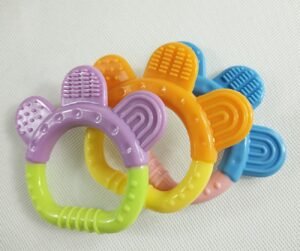
One of the most reliable ways to soothe sore gums is by providing a soft, chewable silicone teether.
High-quality silicone teethers provide:
Gentle gum massage
Safe chewing relief
Long-lasting durability
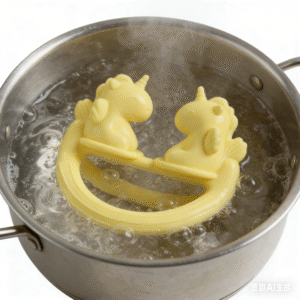
Easy cleaning and sterilization
Textured designs are especially helpful because they stimulate different gum areas.
👉 Recommended Reading:
Why the Bear Paw Shape Baby Teether Is a Parent’s Must-Have
2. Use Chilled (Not Frozen) Teethers
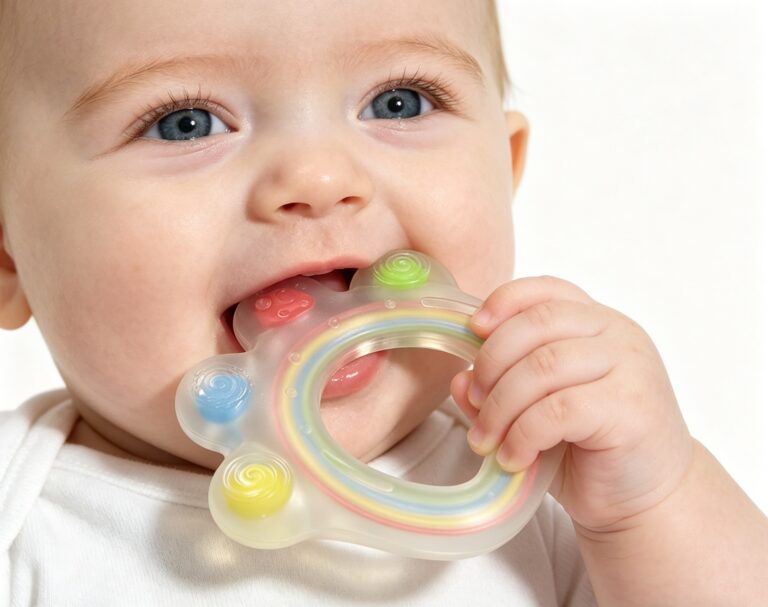
Cooling is one of the simplest ways to reduce gum inflammation.
Place a silicone teether in the refrigerator for 10–15 minutes before giving it to your baby.
Cooling helps:
Reduce swelling
Numb sore gums
Calm irritation
Avoid freezing teethers, as extreme cold can damage gums.
3. Gently Massage Your Baby’s Gums
Clean hands can be surprisingly effective tools.
Use a clean finger to gently rub your baby’s gums in slow circular motions.
Benefits include:
Immediate pressure relief
Reduced discomfort
Strengthened gum tissue
Many babies respond quickly to this method.
4. Offer Cold Washcloths
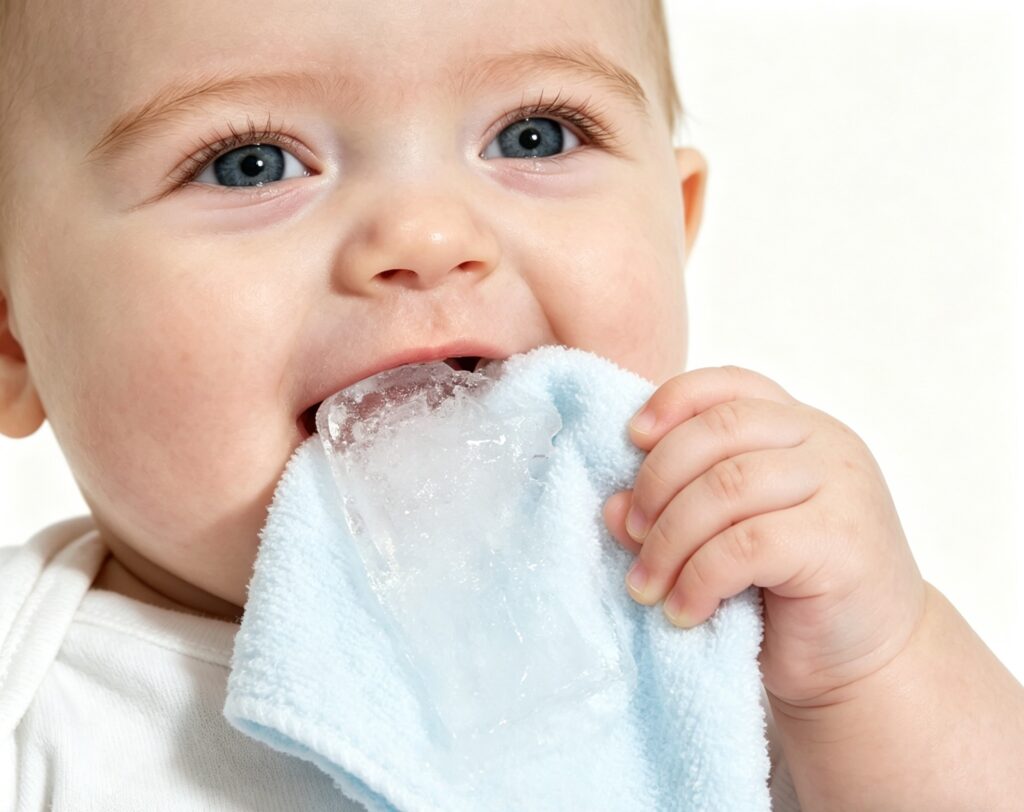
A chilled washcloth can provide soothing relief.
Steps:
Soak a clean cloth in water
Place it in the refrigerator
Let your baby chew on it under supervision
The fabric texture helps massage gums naturally.
5. Provide Safe Sensory Distractions
Sometimes, distraction itself is relief.
Teething babies benefit from:
Textured toys
Soft silicone toys
Sensory play objects
These engage attention while soothing discomfort.
Teethers designed with multiple textures, such as bear paw patterns, are especially helpful.
6. Maintain a Consistent Sleep Routine
Teething often disrupts sleep.
Keeping routines stable helps babies feel secure even during discomfort.
Helpful habits include:
Consistent bedtime
Gentle rocking
Calm environment
Familiar soothing tools
A reliable teether nearby during bedtime can reduce wake-ups.
7. Keep the Mouth Clean
Drooling increases bacteria exposure around the mouth.
Regular cleaning helps prevent irritation.
Tips:
Wipe drool gently
Clean teethers daily
Sterilize regularly
Hygiene plays a surprisingly large role in comfort.
What to Avoid During Teething
While many remedies are helpful, some should be avoided.
Unsafe teething solutions include:
Frozen teethers
Teething necklaces
Hard plastic toys
Products with harmful chemicals
Alcohol-based remedies
Always prioritize baby-safe materials like food-grade silicone.
Choosing the Right Teether: What Parents Should Look For
Not all teethers deliver equal comfort.
Here are the key features to prioritize.
Food-grade silicone
BPA-free certification
Non-toxic materials
Safety always comes first.
Easy-to-Hold Design
Babies need shapes that match their grip strength.
Animal-shaped teethers—such as bear paw designs—are particularly effective for tiny hands.
Multi-Texture Surface
Textures help stimulate gums at different stages of teething.
Smooth + raised textures provide better relief.
Easy Cleaning Capability
Dishwasher safe
Sterilizer safe
Non-porous
This reduces bacteria buildup.
Signs Your Baby May Need Additional Teething Support
Sometimes teething discomfort becomes more intense.
Watch for:
Constant crying
Refusal to eat
Swollen, bleeding gums
Persistent sleep disruption
If symptoms worsen, consult a pediatrician.
Teething should be uncomfortable—but not overwhelming.
Among all teething tools available today, silicone teethers remain the most widely recommended.
They offer:
Balanced softness and durability
Safe chewing resistance
Reliable hygiene control
Long-term usability
Modern designs—like animal-shaped textured teethers—combine functionality with visual appeal, helping babies stay engaged longer.
Frequently Asked Questions (FAQ)
1. How long does the teething phase last?
Teething typically continues until about 2 to 3 years, when most primary teeth appear.
2. Can teething cause fever?
Teething may slightly raise temperature, but high fever is not typical and should be checked by a doctor.
3. How often should teethers be cleaned?
Daily cleaning is recommended, especially after drops or heavy use.
Silicone is generally preferred because it is:
Softer
More durable
Easier to sterilize
Less prone to cracking
Final Thoughts: Gentle Comfort Makes a Big Difference
Teething is one of the earliest challenges babies face—but with the right tools and natural solutions, it becomes much easier to manage.
From chilled teethers to gentle gum massage, simple everyday methods can dramatically improve your baby’s comfort.
And when you pair these methods with thoughtfully designed tools—like textured silicone teethers—you create a soothing routine that supports both baby and parent through every stage of teething.