What Requirements Must a Baby Product Manufacturer Meet?
Producing baby products is very different from making ordinary consumer goods.
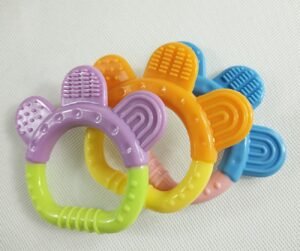
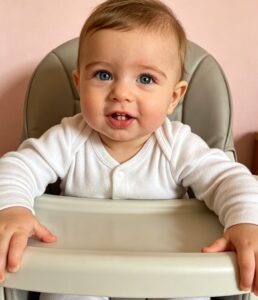
Baby products are used directly by infants, and many of them go into a baby’s mouth.
This means safety, materials, and production standards must be extremely strict.
So, what requirements must a factory meet to be qualified as a baby product manufacturer?
In this article, we explain the key standards a professional baby product factory must follow.
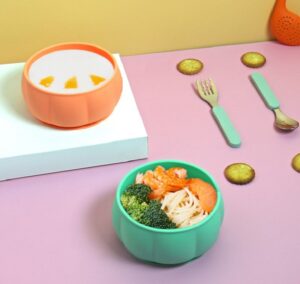
Basic Definition of a Qualified Baby Product Manufacturer
A qualified baby product manufacturer is not judged by price or speed,
but by safety, compliance, and quality control.
A professional baby product factory must:
– Follow baby product safety laws
– Use certified materials
– Control production hygiene
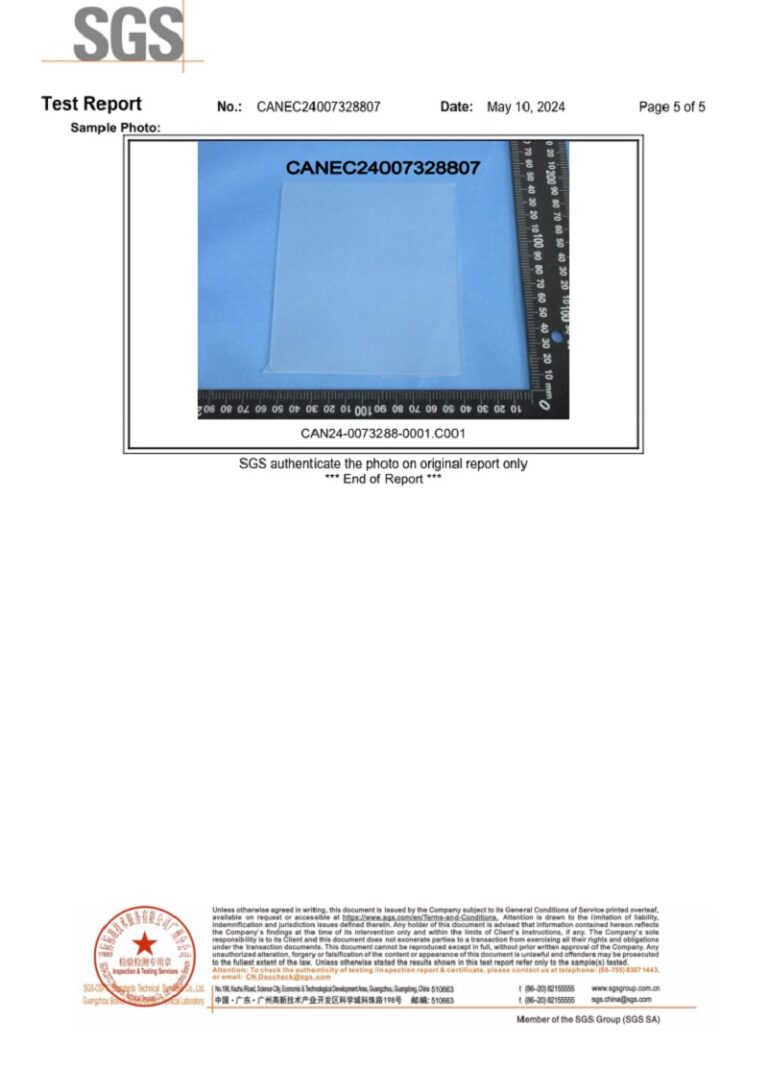
– Provide testing and certification
– Support OEM and customization
Material Safety Is the First Requirement
Material is the foundation of baby product safety.
A baby product manufacturer must use:
– Food-grade or medical-grade materials
– No recycled or mixed materials
– Stable and traceable raw material supply
Materials must pass:
– FDA food contact standard
– LFGB food-grade standard
– BPA Free
– PVC Free
– Phthalates Free
– REACH compliant
– CPSIA baby product standard
– EN71 toy safety standard
Product Safety Performance
Baby products must be safe under all conditions.
A qualified factory must ensure:
– Non-toxic and odorless products
– No sharp edges or small detachable parts
– Soft and baby-friendly surface
– Tear-resistant structure
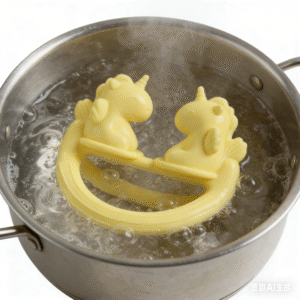
– Heat-resistant for boiling and sterilizing
As a professional baby product manufacturer, we focus on safety and compliance.
All our products are made as food grade baby products, tested and certified.
We are a safe baby product factory serving global brands.
We support custom baby product supplier services for private label brands.
As an experienced OEM baby product factory, we provide full production solutions.
Clean and Controlled Production Environment
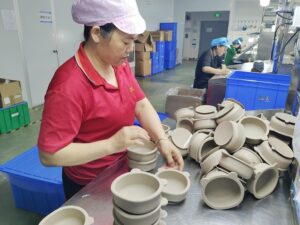
Baby product factories must operate in clean environments.
A qualified factory must have:
– Dust-controlled workshops
– Separate material and product areas
– Staff hygiene management
– Regular sanitation
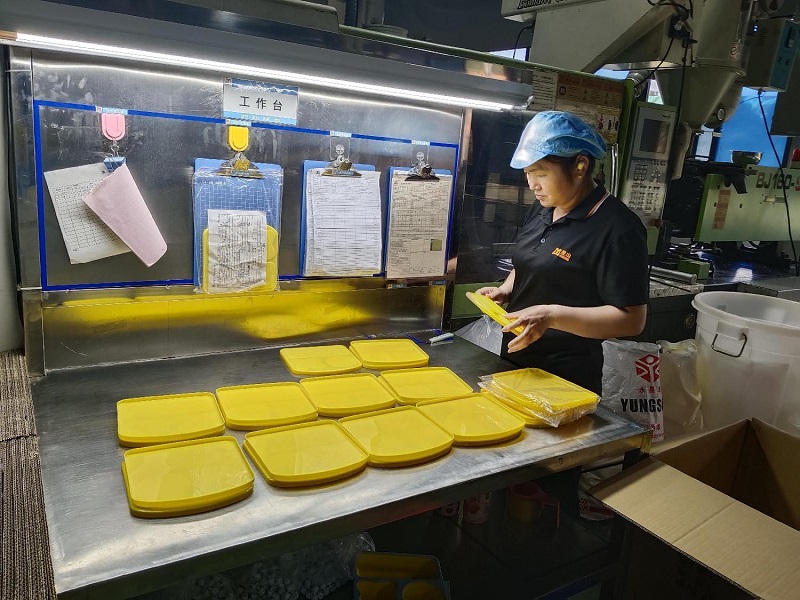
Strict Quality Control System
Quality control is mandatory for baby product production.
A professional factory must include:
– Incoming material inspection
– In-process inspection
– Finished product inspection
– Random sampling tests
– Batch traceability
Testing and Certification Ability
A qualified baby product manufacturer must provide:
– Material test reports
– Product safety test reports
– International certificates
– Traceable production records
You can explore our baby product range on our Baby Products page.
OEM and Customization Capability
Modern baby product factories must support:
– Custom shapes
– Custom colors
– Logo printing
– Private label packaging
– OEM and ODM service
For OEM and private label service, visit our Custom Manufacturing page.
Responsible Manufacturing and Compliance
A qualified factory must also:
– Follow labor laws
– Meet environmental standards
– Control waste and pollution
– Maintain stable production
Conclusion – What Makes a Qualified Baby Product Manufacturer
To be a qualified baby product manufacturer, a factory must focus on:
– Certified materials
– Strong safety performance
– Clean production environment
– Strict quality control
– Testing and certification
– OEM and customization ability
Only factories that meet all these requirements can truly protect baby safety.