Step-by-Step Silicone Teether Manufacturing Process
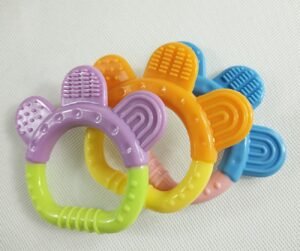
Silicone baby teethers are widely used by infants during the teething stage due to their safety, durability, and soft texture.
However, behind every high-quality silicone teether lies a strict and professional manufacturing process.
In this article, we will walk you through the step-by-step silicone teether manufacturing process, explaining how food-grade silicone teethers are produced in a modern factory—from raw material selection to final inspection.
This guide is especially useful for baby product brands, importers, and OEM/ODM buyers looking for a reliable silicone teether manufacturer.
Step 1: Food-Grade Silicone Raw Material Selection
The manufacturing process begins with 100% food-grade silicone raw materials.
High-quality silicone teethers are typically made from:
- LFGB or FDA-approved silicone
- BPA-free, PVC-free, phthalate-free materials
- Heat-resistant and non-toxic silicone compounds
At this stage, raw materials are carefully tested for:
- Purity and consistency
- Elasticity and softness
- Compliance with international baby product safety standards
Only qualified silicone materials are approved for baby teether production.
Step 2: Silicone Mixing & Color Matching
After raw material inspection, the silicone is mixed with:
- Food-safe color pigments
- Functional additives (if required)
Color matching is a critical step, especially for baby products.
Professional manufacturers use precise color formulas to ensure:
- Soft, baby-friendly colors
- Consistency across different production batches
- No color bleeding or fading over time
All pigments used are certified safe for infant use.
Step 3: Mold Design & Silicone Molding
Once the silicone compound is ready, it moves to the molding stage.
Common molding methods for silicone baby teethers include:
- Compression molding
- Liquid Silicone Rubber (LSR) injection molding
Custom molds are designed based on:
- Teether shape and texture
- Ergonomic grip for babies
- Teething surface patterns
Precision molds ensure smooth edges, accurate dimensions, and consistent product quality.
Step 4: Vulcanization & Curing Process
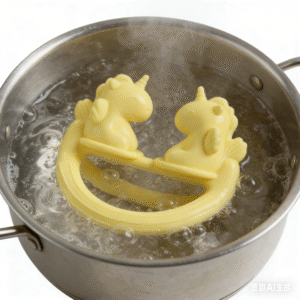
During molding, silicone undergoes high-temperature vulcanization.
This process:
- Enhances elasticity and durability
- Stabilizes the silicone structure
- Ensures the teether maintains its shape during use
Proper curing is essential to prevent:
- Odor issues
- Surface stickiness
- Structural weakness
Only fully cured silicone teethers proceed to the next step.
Step 5: Trimming & Surface Finishing
After molding, excess silicone material (flash) is removed.
Finishing processes include:
- Manual trimming
- Automatic edge polishing
- Surface texture refinement
This step ensures that:
- No sharp edges remain
- The teether feels smooth and comfortable
- The product is safe for babies to chew
Step 6: Quality Inspection & Safety Testing
Every silicone baby teether must pass strict quality control before packaging.
Common inspections include:
- Visual inspection for defects
- Size and weight consistency checks
- Tensile and bite-resistance testing
Additionally, samples are tested according to:
- FDA / LFGB standards
- EN71 (European toy safety)
- CPSIA (US baby product regulations)
Only products that meet all safety requirements are approved.
Step 7: Cleaning, Packaging & Sterilization
Before packaging, silicone teethers are:
- Ultrasonically cleaned
- Dried in dust-free environments
Packaging options include:
- Individual polybags
- Custom printed boxes
- Sterilized medical-grade packaging (optional)
All packaging materials are baby-safe and export-compliant.
Why Choose a Professional Silicone Teether Manufacturer?
Working with an experienced silicone baby product factory ensures:
- Stable product quality
- Compliance with global safety standards
- OEM/ODM customization support
- Consistent large-scale production
A professional manufacturer also provides:
- Custom logo and mold development
- Private label solutions
- International certification support
Conclusion
The silicone teether manufacturing process involves much more than simple molding.
From raw material selection to final safety inspection, every step is designed to ensure the product is safe, durable, and suitable for babies.
If you are sourcing custom silicone baby teethers, choosing a factory with a transparent and standardized production process is essential for your brand’s success.