Top 10 Signs Your Baby Is Teething (And What to Do About It)
Table of Contents
Teething can feel like a mystery—especially for first-time parents.
One day your baby seems perfectly content, and the next, they’re drooling constantly, chewing on everything in sight, and waking up at night for no obvious reason.
If you’re wondering whether teething might be the cause, you’re not alone.
Most babies begin teething between 4 and 6 months, but the symptoms often start before the first tooth becomes visible. Recognizing early signs helps parents respond quickly and provide comfort before discomfort becomes overwhelming.
In this guide, we’ll explore the top 10 signs your baby is teething, along with simple, safe ways to help soothe sore gums.
When Do Babies Start Teething?
While every baby develops differently, most babies start teething between: 4 to 6 months of age.
Some babies begin as early as 3 months, Others may not get their first tooth until 12 months. Teething usually continues until around 2 to 3 years, when most primary teeth have erupted.
Understanding this timeline helps parents recognize whether symptoms align with normal development.
Top 10 Signs Your Baby Is Teething
Here are the most common and recognizable symptoms parents should watch for.
1. Excessive Drooling
One of the earliest signs of teething is increased drooling.
You may notice:
Constant wet bibs
Drool rash around the mouth
Damp clothing throughout the day
Why it happens:
Teething stimulates saliva production, preparing the gums for tooth eruption.
What to do:
Keep soft bibs handy
Gently wipe the mouth area
Use baby-safe moisturizers to prevent rash
2. Chewing on Everything
Teething babies instinctively chew to relieve pressure in their gums.
Common chewing behaviors include:
Hands or fingers
Toys
Clothing
Blankets
What to do:
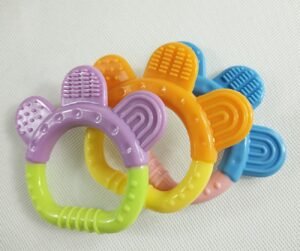
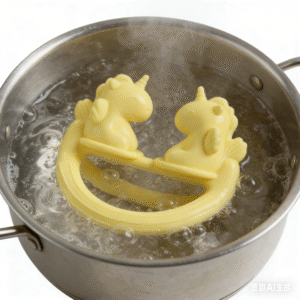
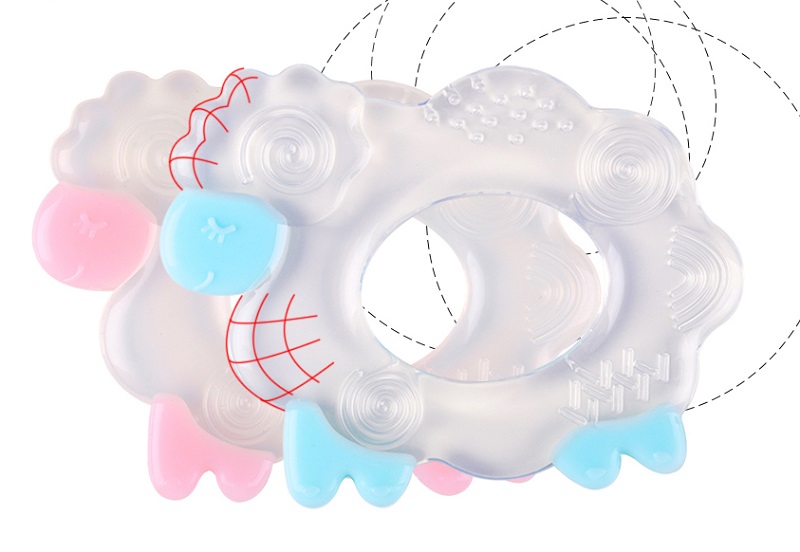
Offer safe chewing tools such as soft silicone teethers.
Textured designs—like bear paw-shaped teethers—help massage gums effectively.
👉 Related Reading:
Why the Bear Paw Shape Baby Teether Is a Parent’s Must-Have
Swollen or Tender Gums
Inflamed gums are one of the clearest physical signs of teething.
You may notice:
Puffy gum areas
Slight redness
Visible white spots where teeth are emerging
What to do:
Gently massage gums with a clean finger
Use chilled silicone teethers for comfort
4. Increased Fussiness or Irritability
Teething discomfort can affect your baby’s mood.
Babies may:
Cry more than usual
Become clingy
Show signs of frustration
What to do:
Provide soothing comfort
Offer chilled teething tools
Maintain consistent routines.
5. Trouble Sleeping
Teething discomfort often worsens at night.
Signs include:
Frequent night waking
Difficulty falling asleep
Restless movement
What to do:
Create a calming bedtime routine and keep soothing tools nearby.
👉 Helpful Guide:
How to Soothe a Teething Baby Naturally
6. Loss of Appetite
Some babies temporarily eat less due to gum sensitivity.
You may notice:
Refusal of solid foods
Slower feeding
Fussiness during meals
What to do:
Offer soft foods and monitor hydration levels.
Most appetite changes are temporary.
7. Ear Pulling or Cheek Rubbing
Pain from teething can radiate to nearby areas.
Babies may:
Tug at ears
Rub cheeks
Touch jaw areas
Important:
If ear pulling is frequent or accompanied by fever, consult a pediatrician to rule out ear infections.
8. Mild Temperature Increase
Some babies experience a slight rise in temperature.
Typical signs:
Warm skin
Mild discomfort
However:
High fever is NOT a normal teething symptom.
If your baby develops fever above recommended limits, seek medical advice.
9. Drool Rash Around the Mouth
Excess saliva can irritate sensitive skin.
Signs include:
Red patches
Dry skin
Irritation around mouth or chin
What to do:
Keep skin dry
Use gentle barrier creams
Clean drool frequently
10. Visible Tooth Under the Gum
Eventually, the clearest sign appears:
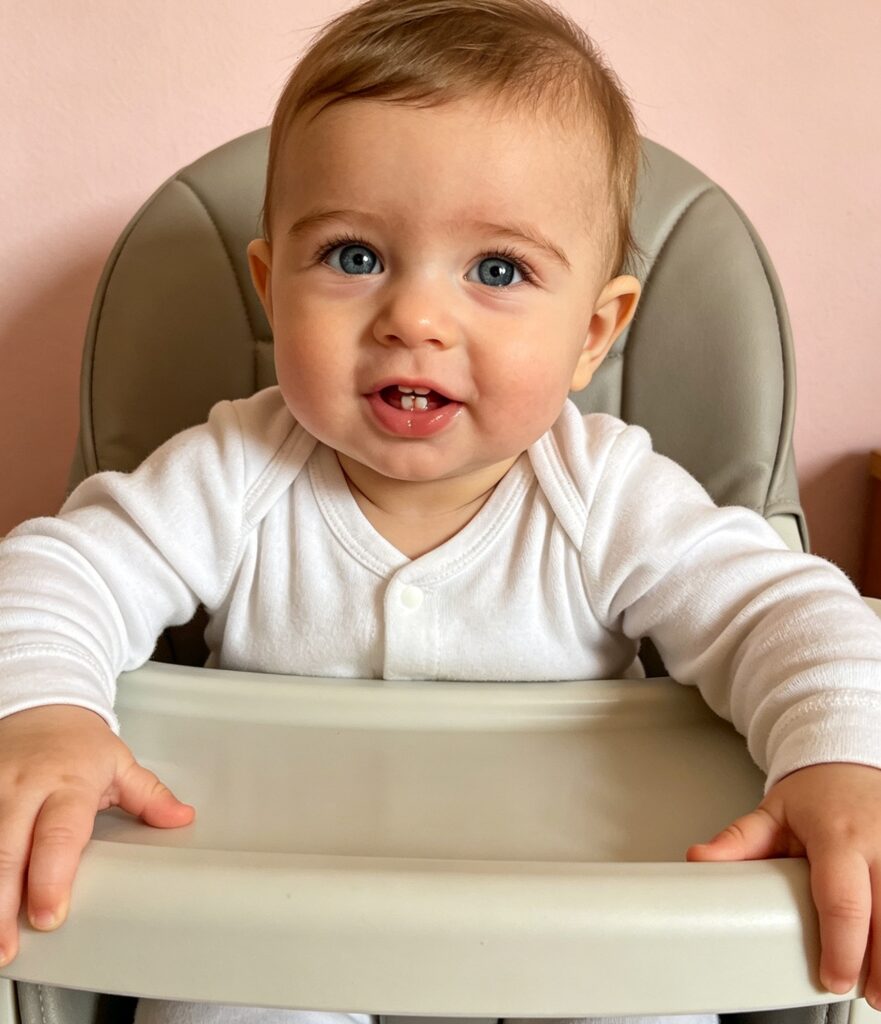
A tiny white tooth edge under the gum.
Once visible, eruption usually occurs within days.
What to Avoid When Your Baby Is Teething
Not all teething remedies are safe.
Avoid:
Frozen teethers
Teething necklaces
Alcohol-based gels
Hard plastic toys
Unsafe materials
Choosing safe materials—especially food-grade
silicone—helps reduce risk.
👉 Comparison Guide:
Silicone vs Plastic Teethers: Which Is Safer?
How Long Do Teething Symptoms Last?
Teething symptoms typically last:
3 to 5 days per tooth
However, overall teething continues for:
Up to 2–3 years
Symptoms may come and go depending on which tooth is erupting.
When to Call a Pediatrician
Most teething symptoms are mild—but some require medical attention.
Contact a doctor if your baby has:
High fever
Persistent diarrhea
Severe rash
Excessive crying
Signs of infection
Always prioritize professional advice when symptoms seem unusual.
Choosing the Right Teething Tools Matters
Recognizing symptoms is only half the solution.
Providing the right tools ensures comfort during every stage.
Look for teethers that are:
Made from food-grade silicone
Easy to grip
Multi-textured
Easy to clean
Thoughtful designs help babies manage discomfort more effectively.
Frequently Asked Questions (FAQ)
1. What is the earliest sign of teething?
Excessive drooling is usually one of the earliest signs.
2. Can babies start teething at 3 months?
Yes, early teething can begin around 3 months for some babies.
3. Does teething cause fever?
Teething may slightly raise temperature, but high fever is not normal.
4. How long does each tooth take to erupt?
Most teeth take 3–5 days to fully emerge.
Final Thoughts: Recognizing Teething Early Makes a Big Difference
Teething can be challenging—but understanding the signs helps parents respond with confidence.
By recognizing early symptoms and providing safe soothing solutions, you can make this developmental stage far more manageable for both you and your baby.
From drooling to chewing behaviors, every sign is part of your baby’s journey toward their first smile full of teeth.
And with the right support tools, teething doesn’t have to be overwhelming—it becomes simply another milestone along the way.