Explore professional silicone product knowledge from QLINK , including material properties, food-grade safety, BPA-free standards, and silicone manufacturing processes for global buyers.
Silicone Basics – Extended Professional Version
Definition & Composition
Silicone is a synthetic elastomer derived from silicon (Si), a naturally occurring element found in sand (silica). Chemically, it consists of repeating units of siloxane (Si–O–Si) bonds, combined with carbon and hydrogen. This structure provides silicone with unique properties compared to organic rubbers and plastics.
Organic side groups (methyl, phenyl, vinyl) → Flexibility, hydrophobicity, and chemical compatibility.
Stable performance across a wide temperature range: -40°C to +230°C (some grades up to +300°C).
Excellent resistance to UV, ozone, and oxidation.
Non-toxic, hypoallergenic, and inert – making it ideal for medical-grade and food-contact applications.
Forms of Silicone
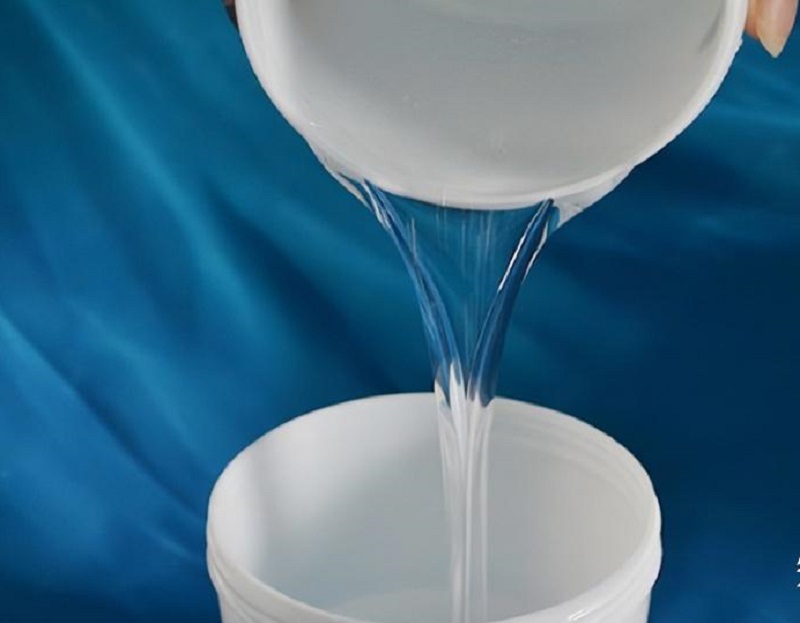
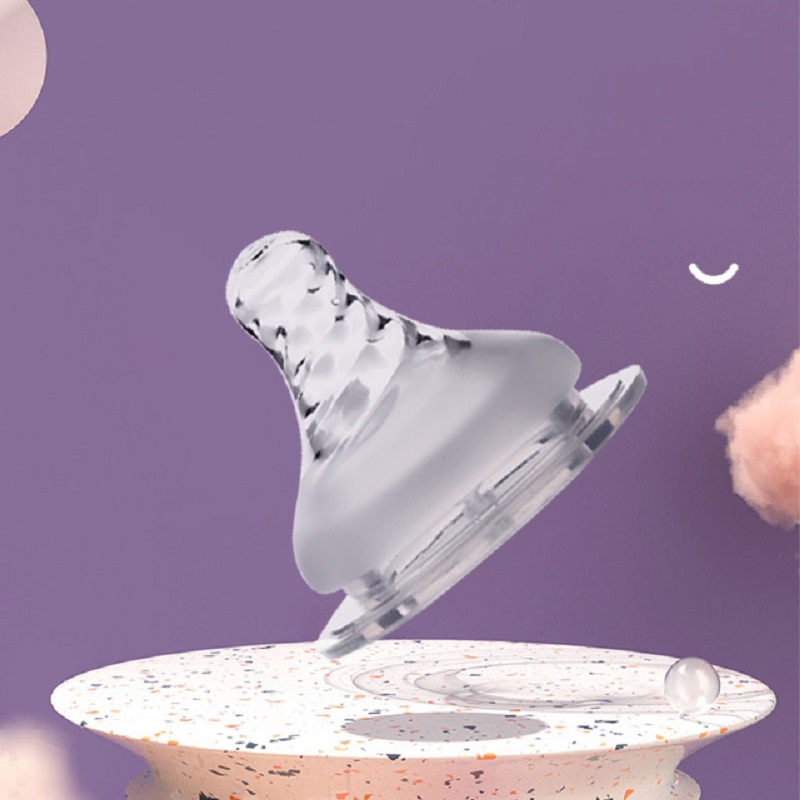
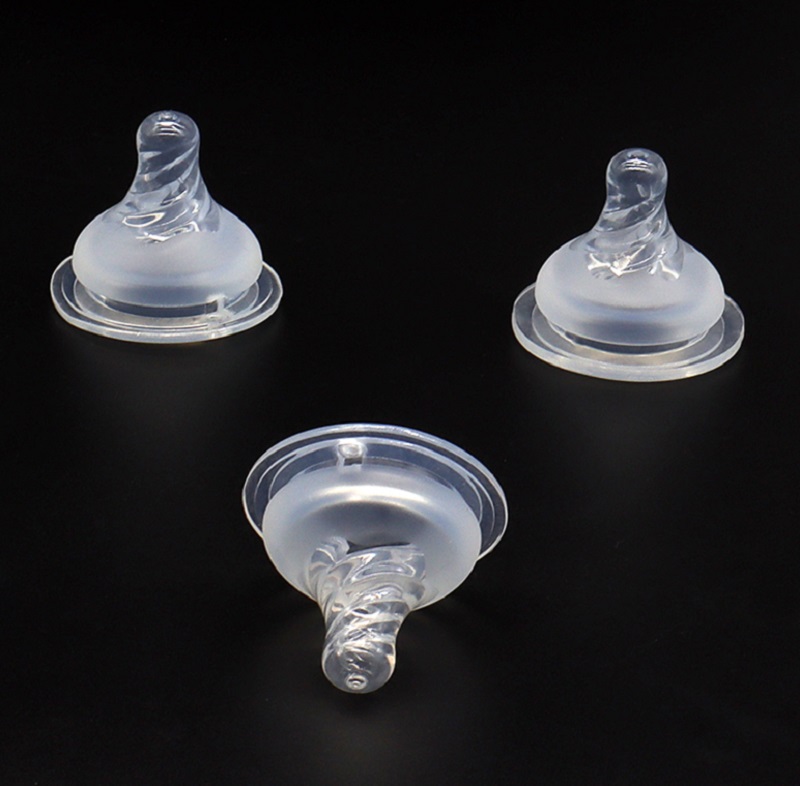
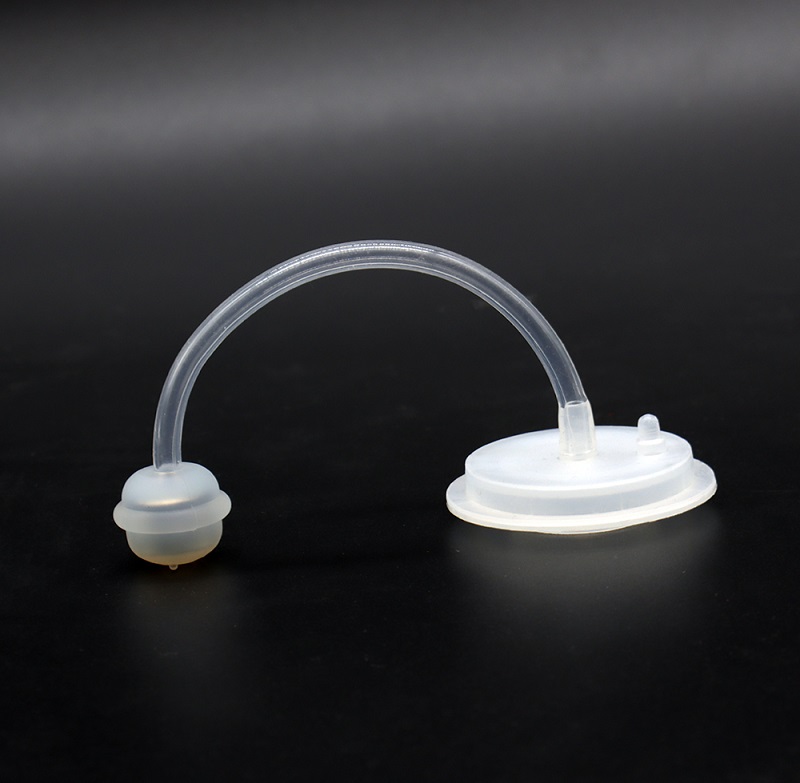
Liquid Silicone Rubber (LSR) – Injection moldable, high transparency, used for baby nipples, medical tubing.
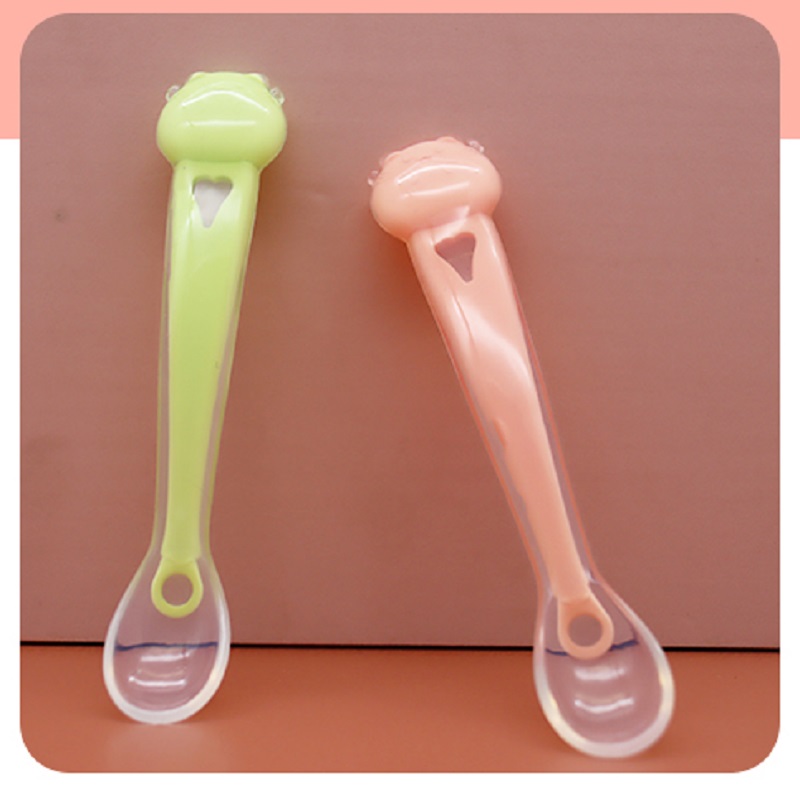
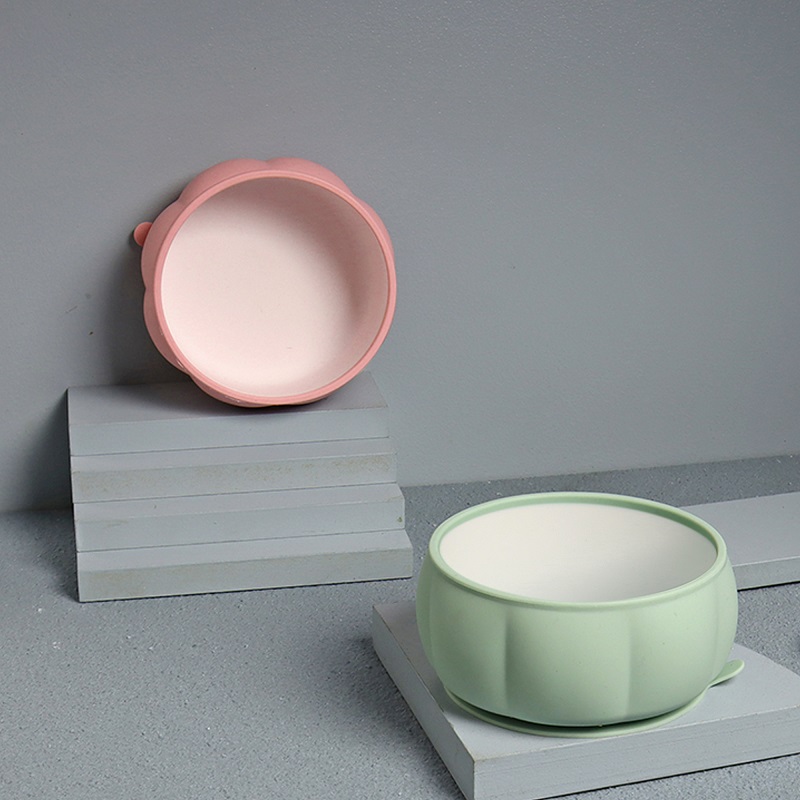
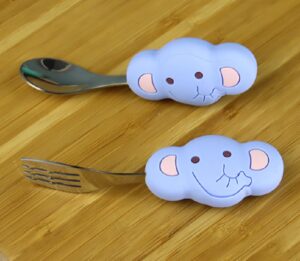
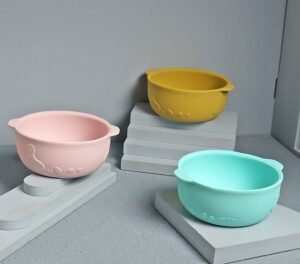
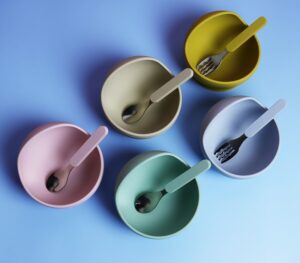
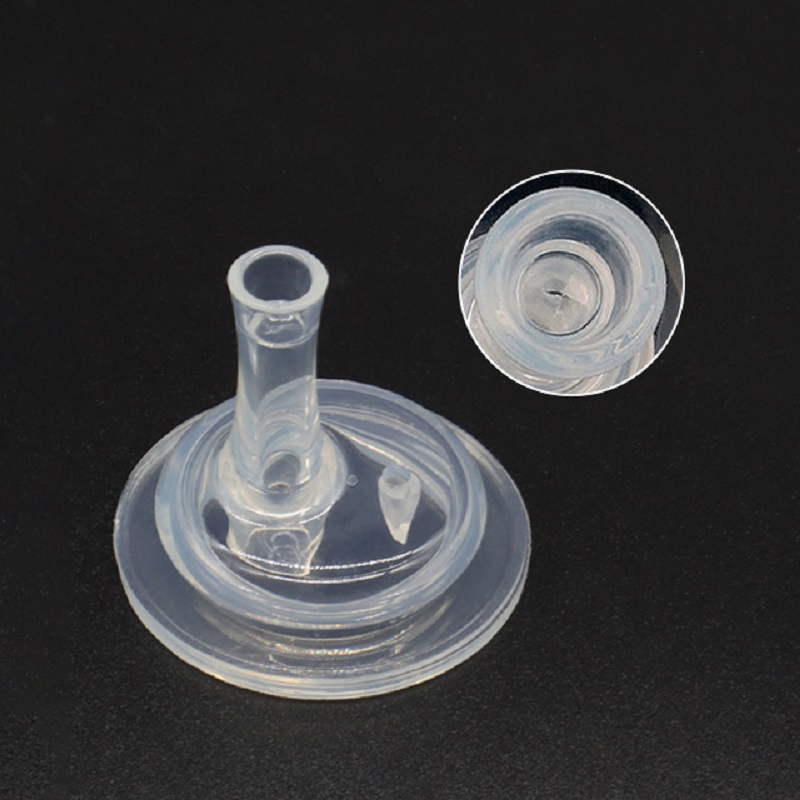
High Consistency Rubber (HCR) – Milled and compression molded, used for kitchenware, gaskets, seals.
Room Temperature Vulcanizing (RTV) – Used for prototyping, sealants, coatings.
Silicone Material Advantages
Heat Resistance (-40°C to 230°C)
Food-safe & Non-toxic (BPA-free)
Flexible yet Durable
Easy to Clean & Dishwasher-safe
Resistant to Aging & UV
LSR – Liquid Silicone Rubber
Features: Two-component liquid system, mixed and cured by heating in injection molding; high transparency, precise dimensions, ideal for complex geometries and thin-wall parts.
Processing: Liquid Injection Molding (LIM), suitable for multi-cavity high-speed production.
Advantages: Low shrinkage, low odor, no by-products, suitable for food-grade and medical-grade uses.
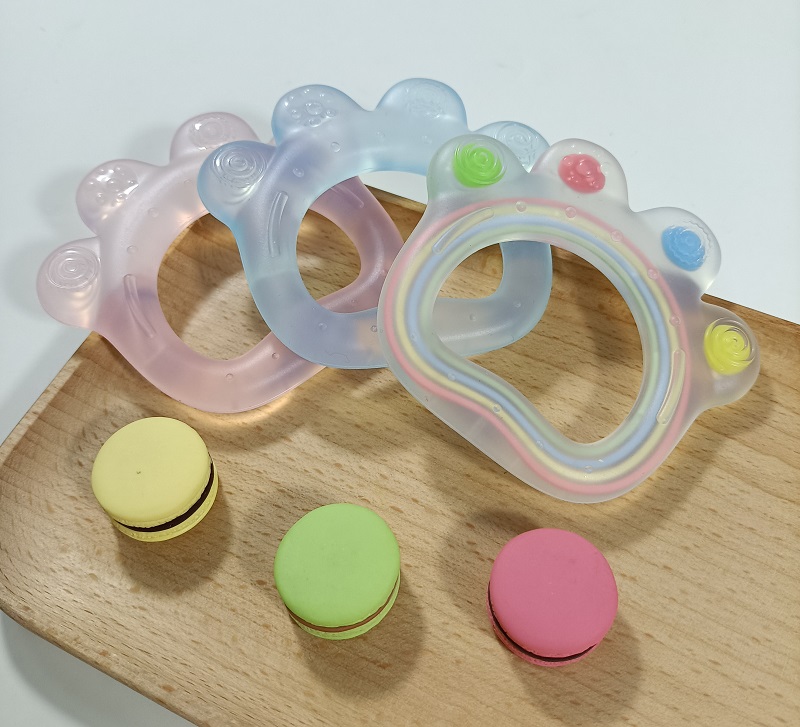
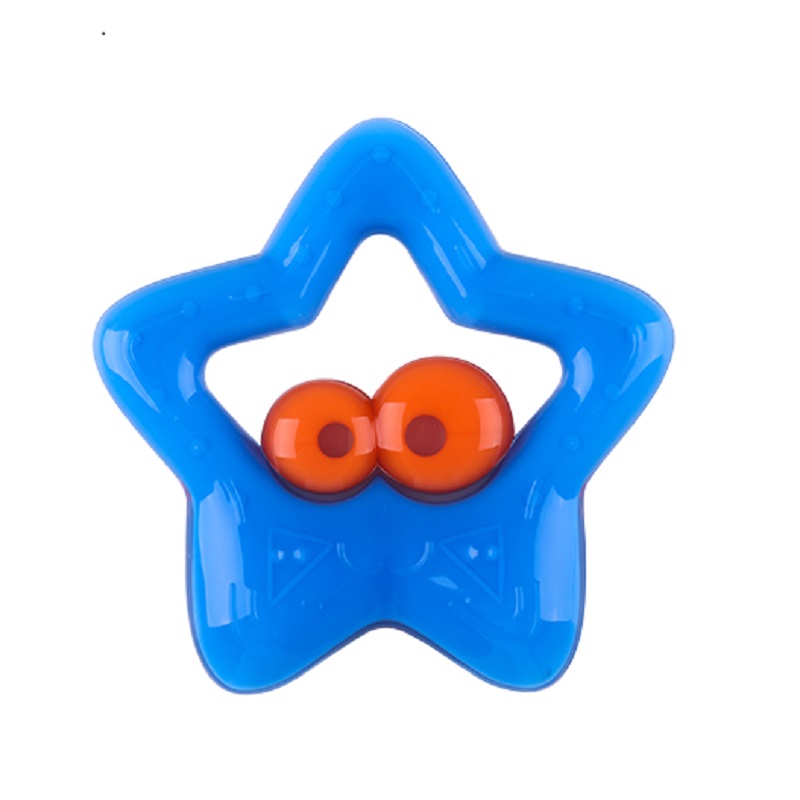
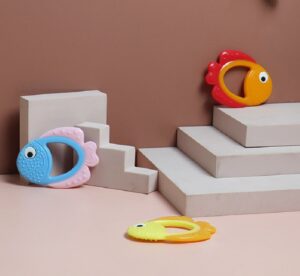
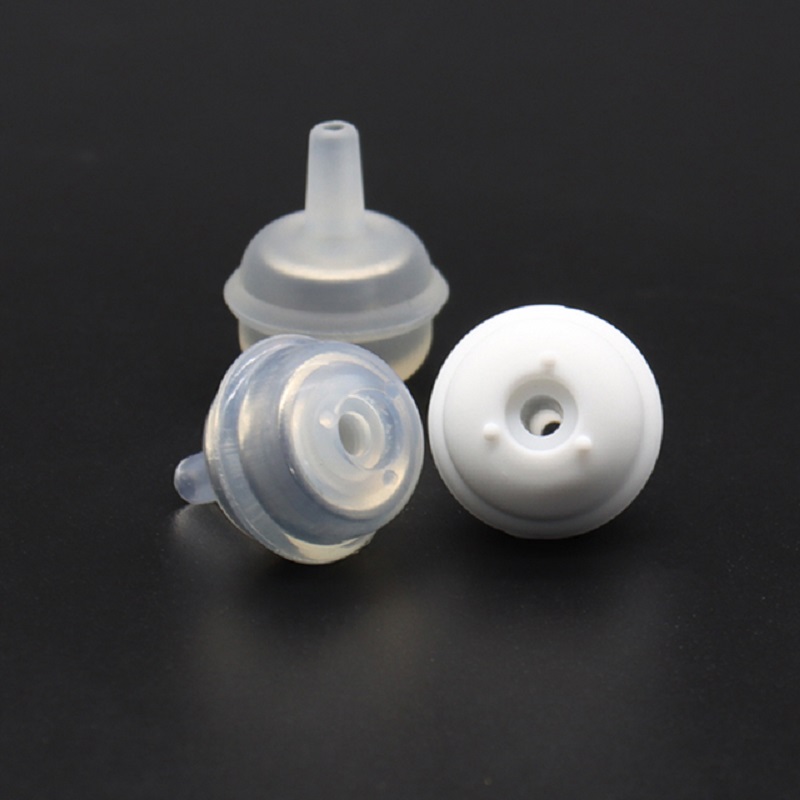
Typical Applications: Pacifiers, teething toys, medical catheters, valve membranes, waterproof seals in electronics.
Applications by Industry
HCR – High Consistency Rubber
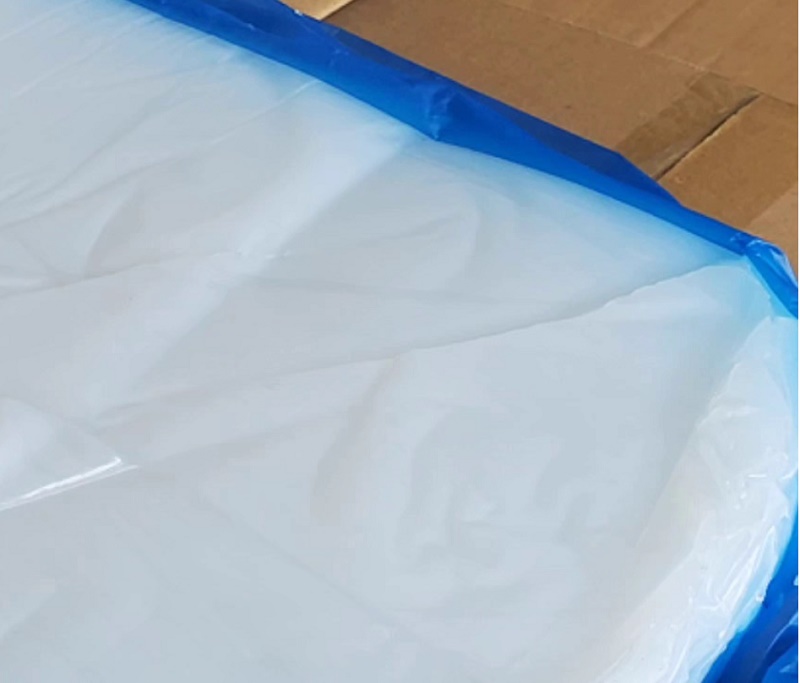
Features: Solid “gum” form, requires high-temperature vulcanization, offering high mechanical strength and tear resistance.
Processing: Compression molding, calendaring, extrusion; can use peroxide or platinum addition curing.
Advantages: Good flex fatigue resistance, wear resistance; suitable for medium to thick-walled and large-size parts.